Sustainable style isn’t just a buzzword—it’s a practical approach to dressing that balances aesthetics, ethics, and longevity.
Building a wardrobe that looks great and reduces environmental impact doesn’t require giving up trends; it requires smarter choices and a focus on quality, versatility, and care.
Here’s how to create a closet that serves you better while supporting responsible fashion.
Start with a thoughtful edit
A useful first step is a closet audit.
Remove items that don’t fit, are uncomfortable, or haven’t been worn in months.
Photograph or list your favorite looks to identify gaps—versatile basics, a tailored blazer, or a durable pair of shoes. This helps prevent impulse buys and highlights what to prioritize when shopping.
Invest in timeless foundations
Spend more on items you’ll wear often: good-quality outerwear, tailored trousers, a classic coat, and well-made footwear. Natural fibers like wool, linen, cotton, and silk often age well and can be easier to repair. For activewear or weatherproof pieces, look for responsibly produced synthetics and recycled materials labeled by trusted certifications such as GOTS, Bluesign, or Fair Trade.
Embrace a capsule-mindset without rigid rules
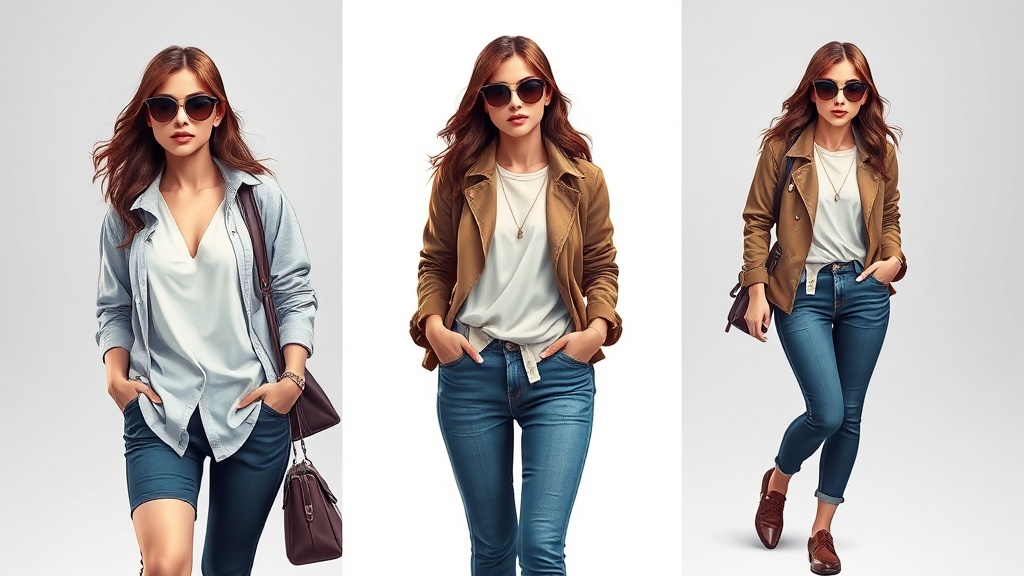
A capsule wardrobe focuses on interchangeable pieces, but it doesn’t mean monochrome or boring. Choose a cohesive color palette and keep proportions in mind—mixing one statement item with several neutral basics creates multiple outfits with fewer pieces.
Accessories like scarves, belts, and jewelry refresh looks without increasing environmental cost.
Choose circular options: resale, rental, repair
Buying pre-loved or renting special-occasion pieces extends the life of garments and reduces demand for new production. Popular resale marketplaces and local consignment shops make quality secondhand shopping easy. When something tears or fits poorly, opt for tailoring or mending—small fixes extend life dramatically.
Seek out local repair services or learn simple stitches yourself; a basic mending kit is a powerful sustainability tool.
Care smarter, not harder
Laundry and storage have a big environmental impact.
Wash less frequently, use cold water, and choose eco-friendly detergents.
Line-drying saves energy and preserves fabric structure; when using a dryer, select low-heat settings. Store garments properly—breathable garment bags for seasonal pieces, cedar blocks or sachets to deter pests, and folded sweaters to avoid stretching.
Look for transparency and traceability
Brands that publish supply-chain information and certifications are easier to trust.
Transparency about worker conditions, material sourcing, and manufacturing practices indicates a commitment beyond marketing. Support small makers and local brands when possible—this often means lower transportation emissions and better oversight of production.
Make conscious trend choices
Trends can be a fun way to express personality, but opt for statement items that are inexpensive, easy to resell, or versatile enough to integrate with a timeless closet. Think bold accessories, seasonal shoes, or a trend-driven layer rather than building a whole wardrobe around passing styles.
Use tech to shop smarter
Virtual try-on tools, fit guides, and robust return policies reduce the risk of ill-fitting purchases and unnecessary returns. Many platforms now provide detailed sizing data and community reviews—use those resources to make confident buys.
A stylish, sustainable wardrobe is achievable through intentional edits, smart investments, and everyday care. Start small: mend one favorite item, swap one impulse purchase for a quality piece, or try a resale platform. Over time, these choices compound into a closet that looks current, lasts longer, and feels better to wear.