Makeup is evolving toward a skin-first approach that blends performance with nourishment, sustainability, and effortless wear. Whether you prefer a barely-there natural look or a bold evening finish, understanding the current direction of products and techniques helps you build a routine that looks great and feels good on the skin.
Skincare-infused makeup: beauty + benefits
Foundations, tints, and concealers now frequently include skincare actives like hyaluronic acid, niacinamide, and antioxidants.
These hybrid formulas offer coverage while helping hydration, brightening, and barrier support.
When choosing a base, look for lightweight, breathable textures that layer well and include broad-spectrum SPF if sun protection is a priority for daytime wear.
The natural, “your-skin-but-better” finish
The natural makeup look remains dominant. Focus on skin prep: gentle exfoliation, a hydrating serum, and a lightweight moisturizer create an even canvas. Use a sheer-to-medium coverage foundation or skin tint and spot-conceal only where needed.
Cream products — blush, bronzer, and highlighter — blend into skin seamlessly and photograph beautifully with minimal effort.
Color and personalization
Color cosmetics are expanding in shade ranges and finishes to flatter diverse skin tones and preferences. Color-correcting primers and customizable palettes let you tweak warmth and undertone without over-layering. For lips and cheeks, multipurpose creams provide cohesive color while reducing the number of products you carry.
Longevity and performance
Long-wear formulas and setting strategies deliver makeup that survives humidity, masks, and long days. Key techniques:
– Prime selectively: use silicone-based primers for texture smoothing, hydrating primers for dry skin.
– Layer strategically: thin layers of cream followed by light powder set for longevity without cakiness.
– Use a setting spray that locks pigments and adjusts finish (dewy or matte).
Clean, sustainable beauty
Sustainability is influencing packaging, sourcing, and ingredient transparency. Look for brands using refillable compacts, recyclable materials, and ethical ingredient sourcing. Clean beauty claims are most reliable when accompanied by third-party certifications or full ingredient lists — ingredients matter, but so does formulation quality.
Tools and multitasking
Blending tools have evolved: dense, flat-top brushes and damp sponges remain staples for foundations, while small, fluffy brushes provide precision for cream products. Multipurpose sticks and hybrid palettes reduce clutter and travel weight, and they encourage creative looks without needing a full kit.
Inclusivity and representation
Diverse shade ranges and marketing that reflects varied skin textures and tones help people find realistic match options.
Seek brands that offer sample size or shade-matching tools (virtual try-ons, in-store testers) to reduce guesswork and returns.
Gentle removal and skin recovery
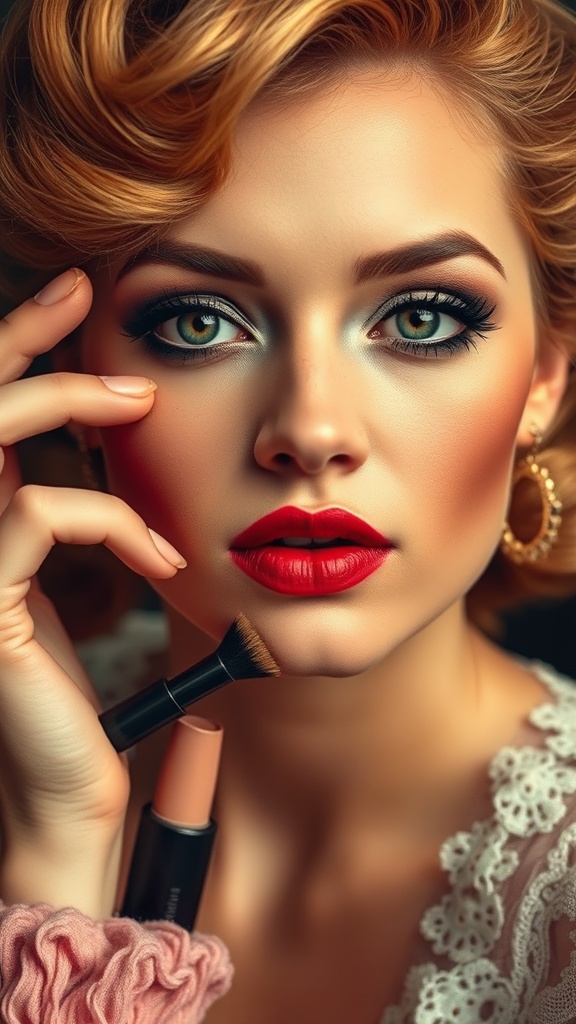
Effective makeup removal is essential for skin health.
Oil-based cleansers dissolve long-wear pigments and SPF, followed by a gentle second cleanse if desired. Finish with a hydrating toner or serum to replenish moisture and support overnight recovery.
Practical tips for everyday success
– Match foundation to jawline, not wrist, and check in natural light.
– Start with minimal product; build coverage only where you need it.
– Use cream color first, then powder to set — it preserves skin-like depth.
– Carry a tinted balm for quick texture and hydration refreshes during the day.
Makeup today is about smart products and streamlined routines that respect the skin and the planet while delivering the look you want. With a few modern techniques and mindful product choices, you can create a personalized routine that’s effective, comfortable, and sustainable.