Makeup that enhances skin rather than masks it is dominating how people approach beauty today. Focusing on skin health, multifunctional products, and sustainable choices gives a fresher, more modern result—whether you prefer a barely-there look or full glam.
Here’s a practical guide to makeup that looks and lasts, with tips that work for all skin types and tones.
Skincare-first approach
Healthy-looking makeup begins with prep.
Clean, hydrated skin creates a smooth canvas: use a gentle cleanser, a lightweight moisturizer tailored to your skin type, and a broad-spectrum sunscreen if you’ll be outdoors. Lightweight serums and oil-free hydrators are great under makeup for oily or combination skin, while richer creams can help makeup sit better on dry skin. Primers are optional but useful—opt for hydrating primers to boost dewy finishes and mattifying primers to control shine in the T-zone.
Minimalist makeup: less is more
“Skinimalism” encourages fewer, higher-quality products that enhance rather than conceal. Tinted moisturizers, BB and CC creams, and serum foundations offer coverage with skincare benefits. Use a small concealer to spot-correct redness or under-eye darkness and blend well. Cream products—blush, bronzer, and highlighter—melt into the skin for a natural finish and are especially flattering when layered and patted in with fingers or a damp sponge.
Makeup that works overtime
For long-wear results, think about texture and layering. Start with a lightweight base and build coverage gradually. Set oily areas with a thin dusting of translucent powder, focusing on the T-zone, and finish with a setting spray to meld layers together and reduce cakiness. Multipurpose sticks and cream formulas are travel-friendly and less likely to cake when reapplied. Blotting papers and compact powders help refresh without adding bulk.
Tools and techniques that matter
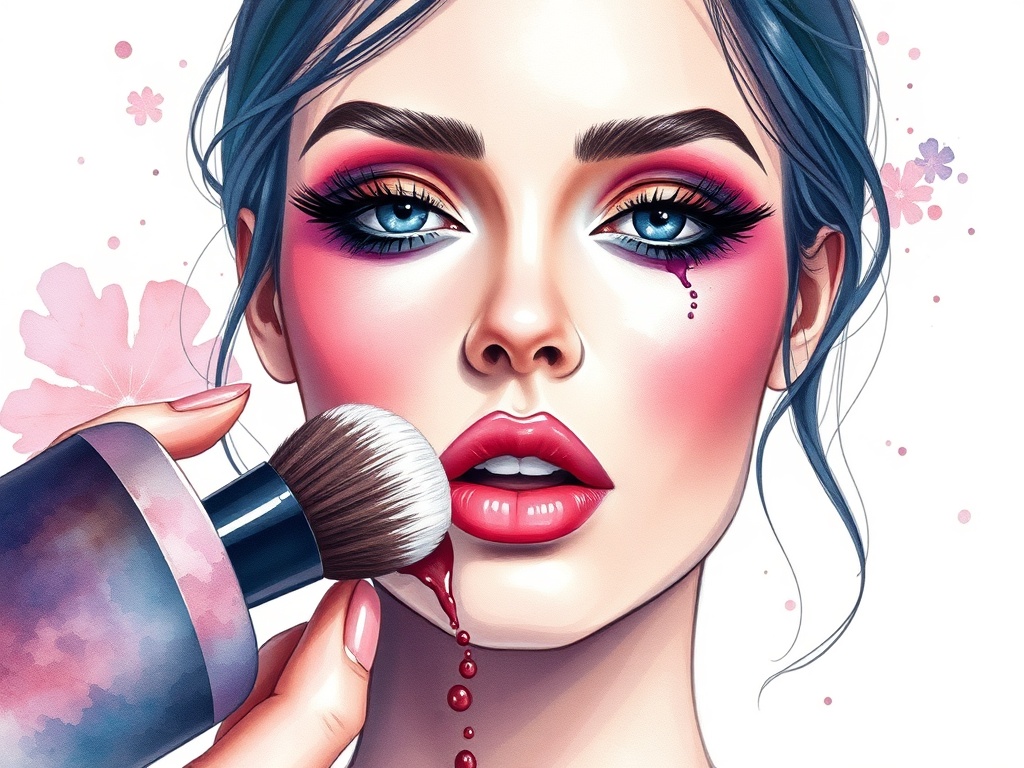
The right tools can elevate simple makeup. A dense, flat-top brush or damp beauty sponge gives airbrushed coverage for foundations; stippling brushes are ideal for cream blush for a soft, diffused look. Angled brushes offer precision for brows and liners. Clean your tools regularly to prevent breakouts and product buildup—quick weekly deep cleans maintain performance and hygiene.
Color and shade selection
Undertones are key: yellow-warm, pink-cool, neutral, or olive undertones affect how a shade reads on skin. Swatch foundations on the jawline in natural light and test blushes on the apples of the cheeks. For eyes, neutral palettes remain versatile, while single bold shades—navy, plum, emerald—can be used to create striking looks using just one product for lid and liner.
Sustainable and inclusive choices
Brands are increasingly offering refillable packaging, recycled materials, and cruelty-free formulations. Look for products with transparent ingredient lists and minimal, recyclable packaging if environmental impact matters to you. Inclusivity in shade ranges and formulations that adapt to diverse skin types are becoming standard—prioritize brands that demonstrate real commitment to diversity rather than token offerings.
Removal and care
Gentle removal protects the skin barrier.
Oil-based cleansers dissolve long-wear makeup and sunscreens, followed by a second, gentler cleanse to remove residue. Finish with a hydrating toner or serum and a nourishing moisturizer to restore the skin.
Experiment and personalize
Makeup should be personal and fun. Start with a reliable base routine, then experiment with one new product or technique at a time—try cream formulas if powders feel heavy, or switch to multi-use sticks for travel.
Small adjustments tailored to your skin and lifestyle create the most flattering, sustainable routine.