Fashion is shifting from fast cycles to mindful choices. Consumers are increasingly valuing quality, longevity, and transparency, and that change is reshaping how wardrobes are built and how garments are produced. Whether shopping for a capsule wardrobe or exploring resale and rental options, understanding the principles of sustainable and versatile dressing pays off in style and cost-per-wear.
Why sustainable fashion matters
Sustainable fashion focuses on reducing environmental and social harm across a garment’s lifecycle—from raw materials and manufacturing to transportation, use, and end-of-life. Choosing better-made pieces and supporting brands that disclose supply chains helps lower waste and promotes fair labor practices. Small purchasing changes ripple into larger impact when more buyers prioritize durability and ethics.
How to build a timeless capsule wardrobe
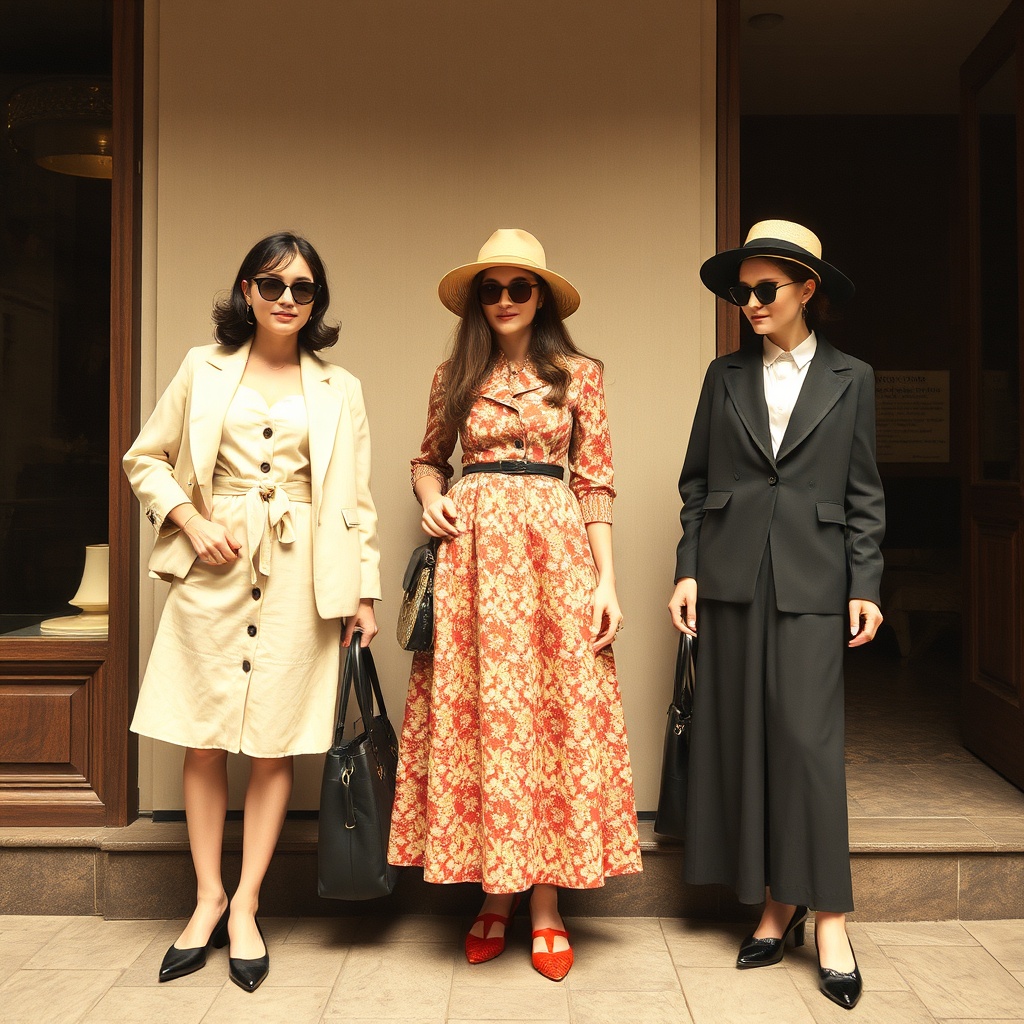
– Start with versatile wardrobe essentials: neutral outerwear, a tailored blazer, a well-fitting pair of trousers, a classic dress, and quality denim.
These items form the backbone of multiple outfits.
– Aim for balance: combine investment pieces with budget-friendly items that complement each other.
Accessories like belts and scarves multiply outfit options.
– Favor cuts over trends: silhouettes that flatter the body and work across occasions deliver greater longevity than trend-driven items.
– Tailoring transforms fit: a modest alteration can elevate an off-the-rack piece into a signature favorite, increasing its wearability.
Fabric choices that last
Natural fibers—linen, wool, silk, and organic cotton—offer breathability and a timeless look. Engineered fabrics such as recycled polyester and Tencel can bring durability and low-impact production when sourced responsibly.
Learn fiber characteristics: wool resists wrinkles and holds shape; linen breathes but creases; cotton is versatile but varies by weave and finish. Read product labels and prioritize certifications like Global Organic Textile Standard (GOTS) or bluesign when available.
Care, repair, and extend life
How a garment is treated often determines how long it lasts. Wash less, wash cold, and avoid tumble drying when possible to preserve fibers and color. Store knitwear folded to maintain shape and hang structured pieces on wide-shouldered hangers. Learn basic mending—sewing on a button, reinforcing seams, or patching small holes—to prolong use. Many cities host repair cafes or tailors who can revive favorites at modest cost.
Explore resale and rental options
Fashion resale platforms and local consignment shops make it easy to find quality pieces at reduced prices while keeping garments in circulation. Rental services allow access to statement pieces and occasion wear without permanent ownership. Both approaches reduce new production demand and offer economical paths to variety.
Spot ethical brands and transparency
Look for brands that publish supplier lists, factory audit results, or sustainability reports. Certifications and third-party audits provide additional assurance, but clear communication about materials, worker conditions, and environmental goals is often the most telling sign of responsible practice.
Practical shopping checklist
– Ask: Does this item complement existing pieces?
– Inspect: Are seams and finishes solid?
– Consider cost-per-wear: Will this be worn repeatedly?
– Check return policies and repair services offered by brands.
Adopting a mindful approach to fashion—buying less, choosing well, and caring properly—creates a wardrobe that’s stylish, functional, and kinder to the planet.
Small choices, like investing in a quality blazer or learning to repair garments, compound over time into a more sustainable and satisfying personal style.