Nostalgia is the currency of modern pop culture. From streaming platforms to blockbuster studios, familiar franchises and remixed classics keep drawing attention—and dollars—because they tap into emotional memory. Yet leaning on nostalgia is a delicate art: audiences crave both the comfort of the original and the excitement of something new. Understanding why reboots and legacy sequels persist, and how creators keep them fresh, reveals a lot about what consumers want from entertainment now.
Why nostalgia works
Nostalgia provides instant connection.
When audiences recognize a character, theme song, or visual motif, an attention shortcut forms: viewers are predisposed to care. That reduces marketing costs and accelerates cultural conversations around a release. For viewers, revisiting beloved stories delivers emotional satisfaction and social currency—shared references, memes, fan theory debates—making the content feel like communal experience rather than solitary consumption.
Balancing homage and reinvention
The most successful revivals find a balance between honoring the original and offering genuine novelty.
Pure replication rarely satisfies: it risks being dismissed as cash-grab fan service. Conversely, radical departures can alienate core fans. The sweet spot is transformation that respects the original’s spirit while expanding its emotional or thematic scope—deeper characterization, fresh perspectives, or genre blending.
Diversity and modern sensibilities
One major way creators add value is by updating perspectives.
Casting choices, narrative focus, and representation reflect broader cultural shifts, making classic material resonate with wider audiences. When a remake centers previously marginalized voices or explores contemporary social themes, the project becomes about more than nostalgia: it becomes relevant.
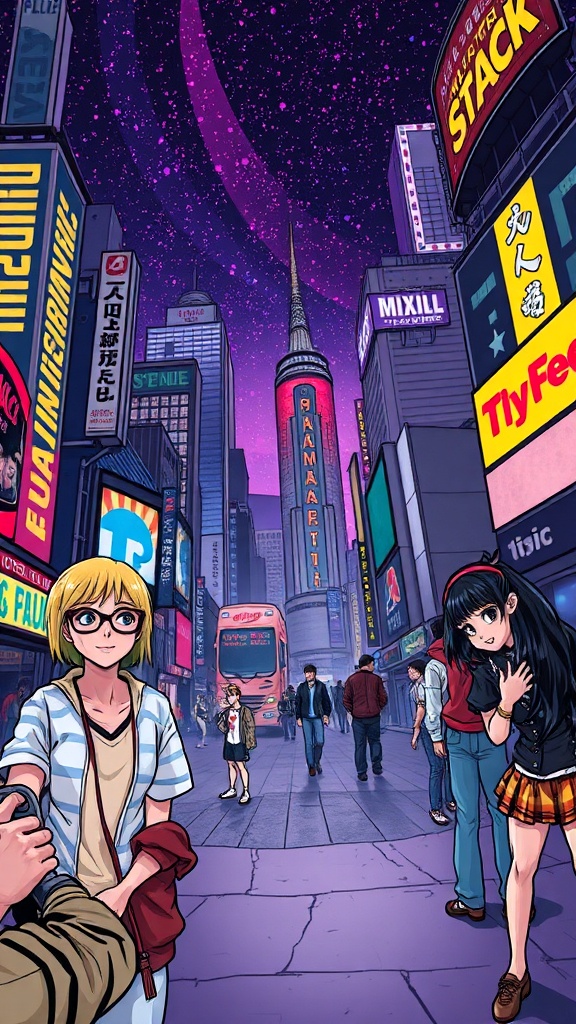
That approach invites new fans while giving established ones a richer, more resonant experience.
Transmedia and world-building
Franchises that expand across formats—films, streaming series, podcasts, comics, games—stay culturally active without exhausting a single medium.
Transmedia storytelling allows creators to explore side characters, alternate timelines, or different genres, turning a familiar IP into an evolving universe. This strategy deepens engagement and creates ongoing touchpoints between major releases, keeping fans invested over longer cycles.
Fan involvement and community dynamics
Today’s fans are active participants. Social media, fan fiction, and conventions create feedback loops that influence creative choices.
Smart creators listen without surrendering their vision, using fan enthusiasm to refine ideas while avoiding reactive decisions that undermine narrative integrity.
When handled well, fan communities amplify a project through organic advocacy rather than just marketing budgets.
Avoiding franchise fatigue
Continuous output can wear on audiences. To avoid fatigue, studios increasingly favor quality over quantity: smaller, character-driven stories within larger universes; limited series that respect pacing; and standalone projects that don’t demand exhaustive prior knowledge. Strategic pacing and varied tones across releases help maintain excitement and reduce burnout.
What this means for creators and audiences
For creators, the challenge is clear: leverage nostalgia thoughtfully, prioritize storytelling, and use familiar elements to open doors to new ideas. For audiences, the evolving landscape offers both comfort and surprise—familiar beats paired with fresh cultural relevance. When nostalgia is used as a starting point rather than the destination, pop culture can honor the past while moving boldly forward.