Sustainable fashion is moving from a niche conversation to everyday wardrobe decisions. As shoppers prioritize longevity, transparency, and lower environmental impact, practical strategies—rather than fast trends—are shaping personal style.
This guide covers how to build a stylish, circular wardrobe that looks good and lasts.
Why circular fashion matters
Linear consumption—buying, using briefly, discarding—creates waste and pressure on resources.
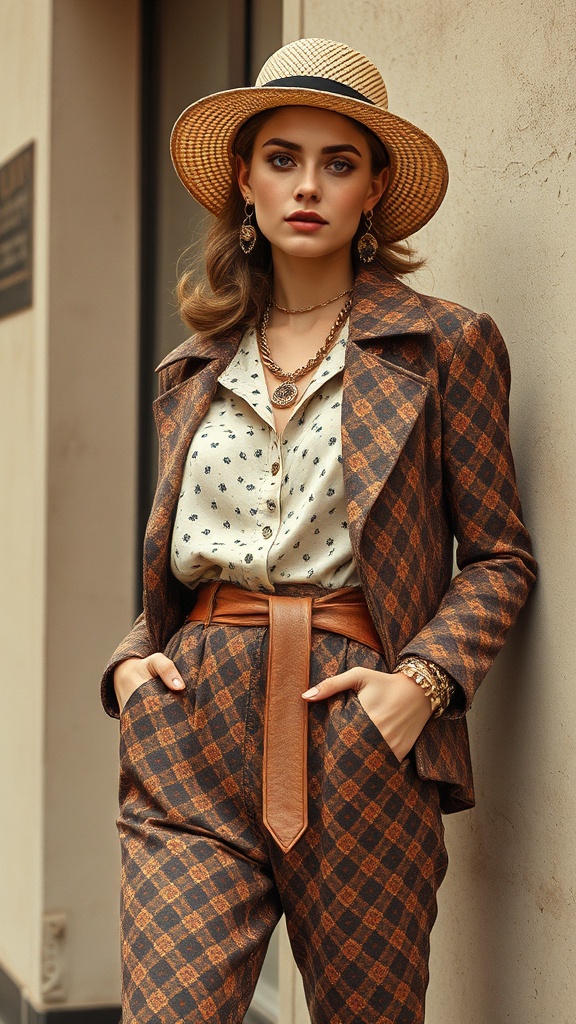
Circular fashion focuses on extending garment life through repair, reuse, resale, and responsible materials.
That shift reduces landfill contributions and often saves money while encouraging better-quality purchases.
Designing a capsule with longevity
A capsule wardrobe cuts decision fatigue and improves outfit cohesion. Start with a core of versatile pieces in neutral tones, then add texture and accent items to reflect personality.
Consider:
– Focus on fit and construction: well-sewn seams, quality linings, and durable hardware outlast cheap finishes.
– Choose neutral foundations (jackets, tailored trousers, a classic dress) and mix with seasonal accessories to refresh looks.
– Buy intentionally: prioritize items you’ll wear frequently rather than impulse buys.
Smart shopping — what to look for
Labels and certifications help, but the feel and build matter most. Key signals:
– Natural fibers like wool, linen, and cotton breathe and often wear better over time; look for responsibly sourced or certified options.
– Regenerative and recycled materials are becoming more available; check brand transparency about sourcing and processing.
– Minimal embellishments and classic cuts age better fashion-wise and physically.
– Evaluate repairability: can a hem be taken up? Are buttons replaceable? Is the fabric prone to pilling?
Extend life with care and repair
Small maintenance habits drastically lengthen garment life:
– Wash less and when necessary: cold water and gentle cycles reduce fiber breakdown.
– Use mild detergents and avoid high-heat drying; air-drying prolongs shape and elasticity.
– Learn basic mending: sewing on buttons, fixing hems, and patching holes keep favorites in rotation.
– Professional services (tailors, cobblers) are worth the investment for major repairs.
Resale, rental, and swapping
Resale marketplaces and peer-to-peer platforms make high-quality pieces accessible. When buying secondhand:
– Inspect listings for condition photos, measurements, and return policies.
– Favor sellers with strong ratings and transparent descriptions.
– For special occasions, consider rental services to enjoy designer goods without permanent ownership.
– Local clothing swaps and community resale events are low-cost, low-waste options.
Avoid greenwashing
Marketing uses sustainability language liberally. To separate substance from spin:
– Look for specific claims (material types, supply-chain information) rather than vague words like “eco” or “green.”
– Seek brands that publish audits, factory information, or third-party certifications.
– Ask questions: where are garments made, and what happens at end of life?
Upcycling as personal style
Upcycling turns worn pieces into one-of-a-kind items—crop old shirts, refashion oversized jackets, or add embroidery to cover stains.
Brands and independent designers increasingly offer repair and remake services that combine craftsmanship with sustainable practice.
Every wardrobe can evolve
Transitioning to a circular wardrobe is a series of small choices—buy better, care more, and reuse creatively. Those choices don’t mean sacrificing style; they encourage more intentional, often more fashionable selections that stand up to changing tastes. Start by evaluating what’s already in the closet, prioritize repairs, and let quality guide future purchases for a more thoughtful and resilient personal style.