Makeup that looks great and keeps your skin healthy is no longer a trade-off. With smarter formulations and better application techniques, you can achieve long-lasting, natural-looking coverage while supporting the skin barrier. Here’s how to choose skin-friendly products and apply them for the best results.
Choose formulations that support the skin
Look for foundations and primers formulated with ingredients that hydrate and soothe rather than strip. Ingredients to favor include:
– Hyaluronic acid: lightweight hydration that plumps without oiliness.
– Niacinamide: helps regulate sebum and soothes irritation.
– Ceramides and fatty acids: support the skin barrier, especially in foundations and tinted moisturizers.
– Antioxidants (vitamin C, vitamin E): protect against environmental stressors when stable in formulas.
Avoid or minimize products containing high levels of denatured alcohol and synthetic fragrances if you have sensitive or dry skin, as these can cause irritation and compromise the barrier over time.
“Non-comedogenic” labels help reduce breakouts, but patch testing is still wise for acne-prone skin.
Primer and base: the foundation of long wear
A good primer can make makeup last and protect skin. Silicone-based primers smooth texture and extend wear, while water-based, hydrating primers are better for dry or compromised skin. If you wear sunscreen, choose a lightweight primer that layers well without pilling.
For a natural look, consider tinted moisturizers or skin tints with beneficial skincare actives. They offer light coverage while delivering hydration and protection, making them ideal for everyday wear.
Sun protection and makeup
While many foundations include SPF, they often don’t provide sufficient protection on their own.
Apply a broad-spectrum sunscreen under makeup and reapply during prolonged sun exposure. Look for mineral-based sunscreens in makeup if you prefer physical blockers, but don’t rely solely on tinted products for sun defense.
Makeup and active skincare: how to combine them
Active treatments—retinoids, AHAs/BHAs, and potent vitamin C serums—are powerful for skin health but can increase sensitivity. Use exfoliating acids and retinoids in a way that allows the skin barrier to recover: alternate with gentler nights and avoid overlayering potent actives directly under heavy cosmetic coverage when your skin is irritated. If you’re introducing a new active, allow it to settle into your routine before combining with full makeup looks.
Application tips for a flawless finish
– Prep: cleanse and moisturize according to your skin type.
A light layer of moisturizer helps makeup sit smoothly.
– Start small: apply foundation in thin layers and build coverage where needed to avoid cakiness.
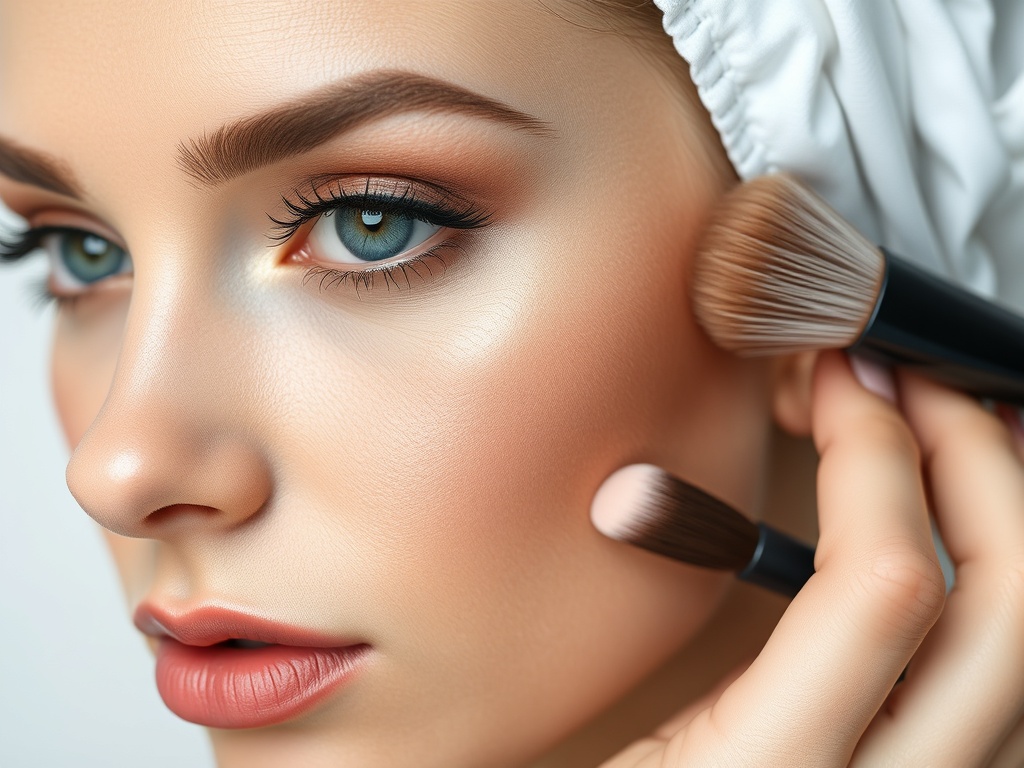
– Tools matter: use a damp sponge for dewy finishes and a dense brush for fuller coverage. Clean tools regularly to prevent breakouts.
– Set strategically: a translucent powder applied only to oily zones prevents flashback and keeps skin from looking flat.
Finish with a lightweight setting spray to meld layers and extend wear.
Removal and recovery
Never skip makeup removal. Use a gentle oil or balm cleanser to dissolve makeup, followed by a mild cleanser to clean pores.
Finish with a hydrating serum or moisturizer to restore the barrier. Weekly gentle exfoliation helps with longevity of makeup but avoid harsh scrubs that can damage the skin.
Small changes make a big difference
Choosing gentle, supportive formulations, preparing the skin, and following smart application and removal habits will keep you looking polished while protecting skin health. For persistent irritation or unusual reactions, consult a dermatologist to tailor products to your skin’s needs.