Sustainable Style: How to Build a Fashion-Forward Wardrobe That Lasts
Fashion is shifting from fast consumption toward considered choices that prioritize quality, longevity, and impact. Whether you’re drawn to minimalism, vintage, or statement pieces, a thoughtful approach to clothing keeps your wardrobe feeling fresh while reducing environmental and social harm. Here’s how to build a fashion-forward closet that balances style, ethics, and practicality.
Buy Better, Less Often
– Focus on fit and fabric. Natural fibers like organic cotton, linen, wool, and responsibly produced lyocell tend to wear well and breathe better than many low-cost synthetics. Look for clear labeling and certifications such as GOTS or OEKO-TEX to verify claims.
– Invest in versatile staples. A well-cut blazer, a neutral dress, quality denim, and sturdy footwear form the backbone of multiple outfits. Choosing neutral colors and classic silhouettes extends wearability across seasons and trends.
– Prioritize construction. Check seams, lining, and hardware. Strong stitching and durable zippers mean fewer replacements and repairs.
Embrace Circular Fashion
– Shop secondhand and vintage. Thrift stores, curated resale platforms, and local vintage boutiques are rich sources of unique items and designer pieces at lower cost and environmental impact.
– Try rental and swap options. Renting special-occasion wear or participating in clothing swaps reduces waste and keeps your closet dynamic without adding permanent purchases.
– Repair and tailor. A simple hem, replaced button, or tailored alteration can extend a garment’s life and make it feel like new.
Care for Longevity
– Wash smart.
Cold water, gentle cycles, and liquid detergent extend fabric life.
Turn garments inside out to protect outer surfaces and colors. Air drying reduces wear from heat and mechanical tumbling.
– Reduce microfiber shedding. Use a microfiber-capture bag or filter if washing synthetic items, and avoid over-washing garments that don’t need it.
– Store properly. Fold heavy knits to prevent stretching, and use padded hangers for delicate tops. Keep leather and suede items in a cool, dry place to avoid deformation.
Support Ethical Production
– Seek transparency. Brands that share factory information, pay living wages, and publish sustainability goals are easier to support responsibly. Look for supply chain details and third-party audits when possible.
– Consider small and local producers. Small-scale makers often offer better material sourcing and craftsmanship, plus the option to commission pieces tailored to your needs.
Add Personality Without Excess
– Accessorize thoughtfully. Scarves, belts, jewelry, and bags can transform a basic outfit into a distinctive look without requiring a whole new wardrobe.
– Mix high and low.
Pairing high-quality basics with trend-driven or budget-friendly accents keeps costs down while maintaining a curated aesthetic.
– Rotate seasonally. Create a capsule selection each season that reflects your lifestyle and current climate, storing off-season items away to keep daily choices simple.
Practical Steps to Start Today
– Audit your closet: Donate or sell items you haven’t worn in a year, then identify gaps for purposeful shopping.
– Set a purchase rule: For example, wait two weeks before buying non-essential items or set a monthly clothing budget.
– Learn basic mending: Hemming, patching, and replacing buttons are easy skills that pay off quickly.
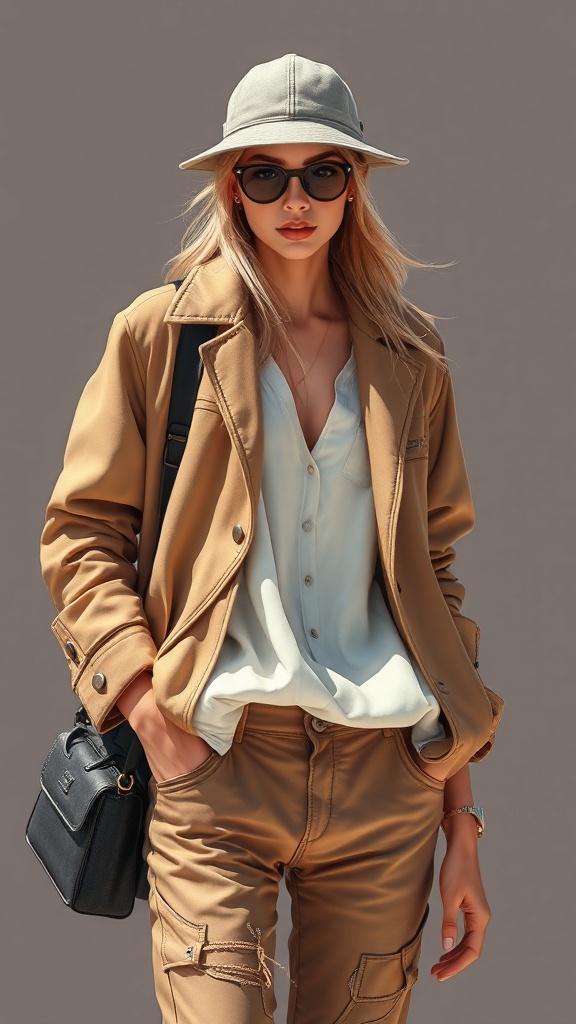
Adopting a sustainable mindset doesn’t mean sacrificing style. By choosing well-made pieces, caring for them properly, and participating in the circular fashion ecosystem, you create a wardrobe that looks great and aligns with values that matter.