Why Nostalgia Rules Pop Culture: From Reboots to Retro Fashion
Nostalgia has become one of the most powerful currencies in pop culture. Whether it’s a streaming platform reviving a beloved TV series, fashion returning to past silhouettes, or viral videos sampling vintage songs, cultural memory is driving attention, engagement, and spending. Understanding why nostalgia works helps creators, brands, and fans navigate the ever-cycling landscape of trends.
Why nostalgia connects
– Emotional shortcut: Familiar characters, sounds, and styles trigger positive memories and quick emotional responses. That comfort can feel especially appealing during uncertain times, prompting people to seek out media that evokes simpler moments.
– Social signaling: Shared nostalgia acts as a form of cultural shorthand. References to well-known movies, TV shows, or songs quickly build community across social feeds and comment threads.
– Low friction engagement: Reboots, revivals, and remixes come with built-in audience awareness.
Marketing can lean on existing mythology rather than introducing entirely new worlds, lowering the barrier to mass adoption.
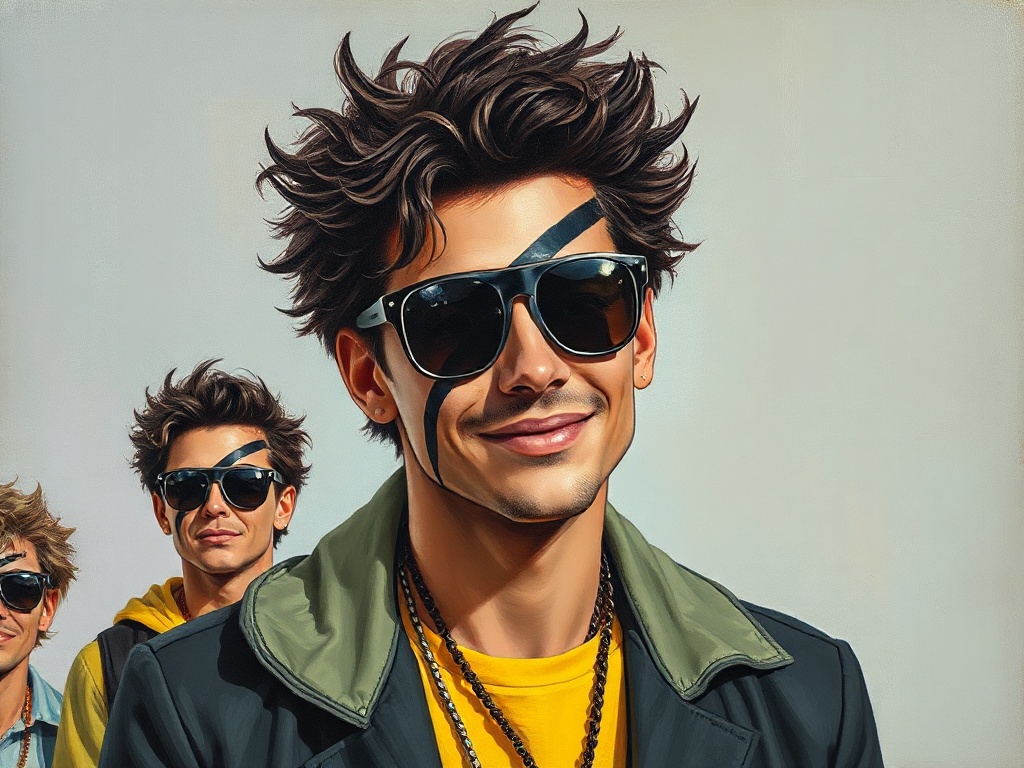
How nostalgia shapes media strategies
Streaming services and studios increasingly mine archives for content with proven appeal. Reimagined franchises, legacy characters, and continuation series all tap into established fanbases while offering fresh storytelling angles.
At the same time, creators leverage tonal callbacks — costume choices, soundtrack cues, and visual Easter eggs — to reward long-time fans and spark social media buzz.
Music follows a similar pattern: sampling classic hooks, collaborating with veteran artists, and releasing deluxe reissues of catalog albums draw both longtime listeners and curious newcomers.
The vinyl revival and collectible physical releases underscore that fans still value tangible connections to the past.
Fashion, retail, and aesthetics
Fashion cycles are driven by nostalgia as much as by innovation. Retro silhouettes, logos, and fabrics come back into rotation as designers reinterpret familiar looks for modern wardrobes. Streetwear and luxury brands both mine archival designs, while fast fashion platforms accelerate trend adoption by translating runway references into everyday pieces. Retro tech and vintage-inspired gadgets also benefit from the same emotional pull, blending modern functionality with classic design cues.
Social media’s role
Short-form video platforms amplify nostalgia through bite-sized clips that remix old footage or create “then vs. now” comparisons. These formats encourage discovery — someone sees a retro reference and dives into the original source, sparking renewed interest across platforms. Memes and challenges that lean on classic pop culture moments can drive massive engagement, turning obscure details into mainstream conversation.
Risks and rewards for creators and brands
While nostalgia can generate quick attention, overreliance risks creative stagnation.
Successful projects tend to balance reverence with reinvention: honoring the source material while offering new perspectives, diverse voices, or modern stakes. Brands that authentically integrate nostalgic elements—rather than using them as a superficial gimmick—see stronger loyalty and longer-term engagement.
Practical takeaways
– For creators: Use nostalgia as a foundation, not a crutch. Add new thematic depth or updated representation to keep the work relevant.
– For brands: Match nostalgic activations with high-quality storytelling and product value to avoid fleeting impressions.
– For fans: Nostalgia can be a joyful way to connect with others, but exploring contemporary creators alongside classics keeps cultural consumption vibrant.
Nostalgia will continue to be a force in pop culture as long as audiences seek both comfort and connection. The most memorable cultural moments happen when the past and present converse creatively, producing new takes that feel familiar in the best possible way.