Nostalgia is a driving force in pop culture, shaping what people watch, listen to, wear, and share.
From reboots and legacy sequels to vintage fashion and retro-sounding hits, the pull of the past offers comfort, familiarity, and a shortcut to emotional connection.
Understanding why nostalgia works—and how creators and brands use it—reveals a lot about contemporary culture and what audiences are likely to embrace next.
Why nostalgia resonates
Nostalgia taps into memory and identity.
Re-experiencing a beloved theme song, character, or aesthetic triggers positive emotions and social bonding. For many, nostalgic content serves as an antidote to fast-paced, uncertain times, offering a sense of continuity. It also reduces the risk for content makers: familiar IP already has a built-in audience and recognizable hooks that make marketing more efficient.
How nostalgia shows up in media
– Reboots and revivals: Bringing back classic TV series and film franchises gives fans a chance to revisit characters while introducing the property to a new generation.
Smart revivals balance faithful callbacks with fresh plotlines to keep both old and new viewers engaged.
– Legacy sequels: These projects continue a story from the original material while acknowledging the passage of time, often focusing on themes of legacy, change, and redemption—territory that naturally complements nostalgia.
– Sampling and retro sounds in music: Producers and artists frequently borrow retro production techniques or sample older tracks, creating songs that feel both familiar and contemporary.
– Fashion and aesthetics: Vintage styles re-emerge on runways and social platforms, amplified by influencers who reinterpret thrifted finds for modern wardrobes.
– Social-media-driven nostalgia: Short-form platforms accelerate trends, making retro filters, throwback challenges, and archival deep-dives prime content for viral cycles.
Why it can backfire
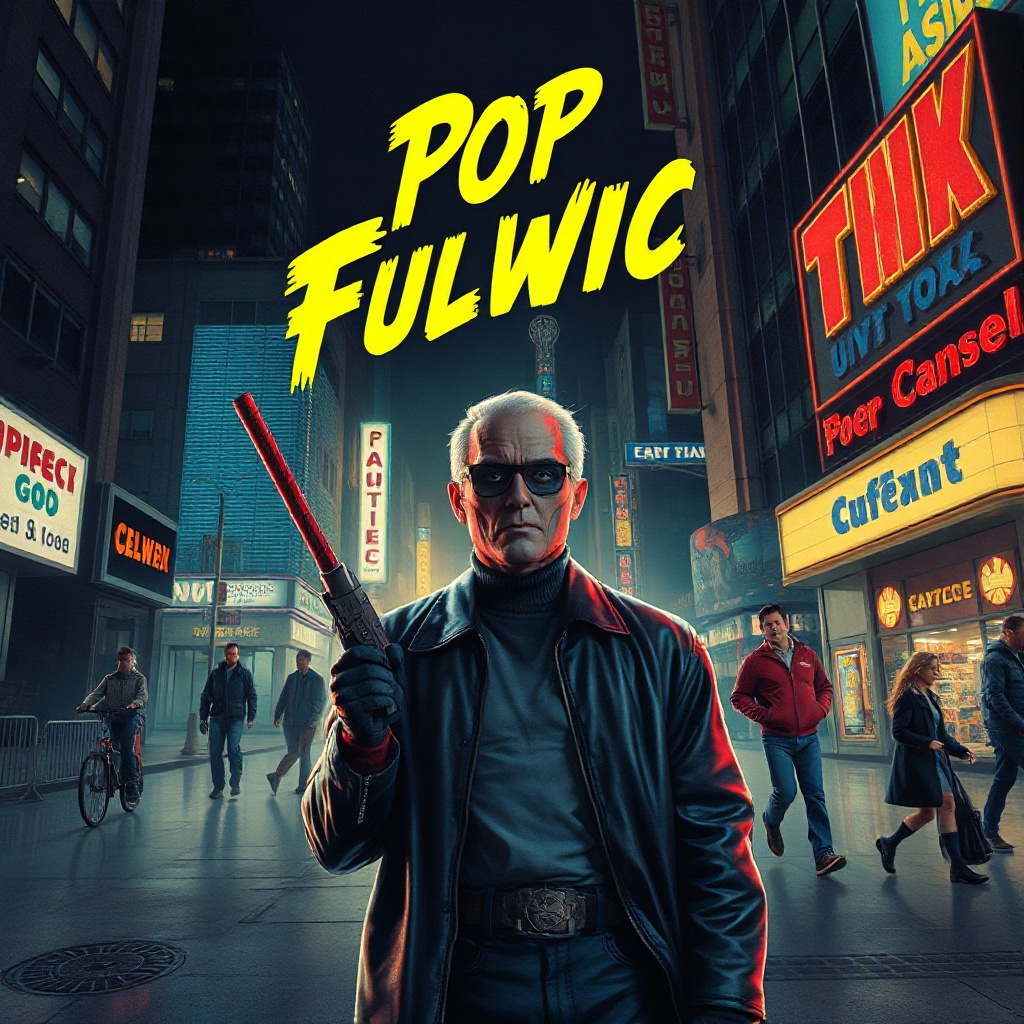
Nostalgia isn’t a guaranteed hit. Overreliance on past properties can lead to fatigue, where audiences feel like creators are trading innovation for easy sales. Poorly executed reboots that ignore the spirit of the original or fail to update themes for modern audiences can alienate core fans. Authenticity matters—audiences quickly recognize when nostalgia is used as a cash grab rather than a thoughtful creative choice.
Strategies that work
– Respect the source material: Successful projects signal they understand what made the original resonate, whether through tone, character integrity, or memorable motifs.
– Add meaningful updates: Address contemporary issues or character development that reflect the current cultural landscape without erasing what made the original special.
– Invite new entry points: Make revivals accessible to newcomers through smart storytelling, so they don’t require exhaustive knowledge of the original continuity.
– Use nostalgia sparingly: Use callbacks to deepen emotional impact, not as a replacement for quality writing or innovation.
– Engage the community: Let fan insights inform creative decisions, but balance homage with new perspectives to avoid echo chambers.
What to watch for next
Expect nostalgia to continue shaping mainstream entertainment, but increasingly as a springboard for reinvention rather than pure replication. Creators who blend reverence with risk—offering surprises while honoring the emotional core—will likely sustain both critical and commercial success. For audiences, that means more opportunities to reconnect with favorites while discovering fresh takes that expand what nostalgia can mean.
Nostalgia is powerful, but its best use is as a foundation, not a crutch. When handled with care, it deepens storytelling, strengthens fandom, and bridges generations in meaningful ways.