Fashion is shifting from seasonal shopping cycles to longer-lasting style strategies. Consumers and brands are moving toward durability, transparency, and smart use of technology — all while keeping aesthetics front and center. Whether you love tailoring, streetwear, or minimalist wardrobes, understanding the forces shaping contemporary fashion helps you build a closet that looks good and does good.
Sustainable materials and alternative leathers
Fabric innovation is changing how garments are made. Recycled fibers, regenerative cotton, Tencel-like cellulosic fabrics, and plant-based leathers made from sources such as pineapple leaf fiber, mushroom mycelium, and other bio-based alternatives are becoming mainstream. These materials reduce reliance on virgin petroleum-based textiles and can offer comparable durability and finish when produced responsibly.
Circular business models: resale, rental, and repair
Circular fashion is no longer niche. Resale marketplaces and rental services make high-quality pieces accessible without permanent ownership, extending the life of garments. Repair and alteration services — plus brands offering take-back or refurbishment programs — keep garments in rotation longer, cutting waste and saving money over time.
Key styling and shopping habits for a smarter wardrobe
– Build a capsule foundation: Start with neutral staples — a well-cut blazer, versatile trousers, crisp shirt, and a comfortable pair of shoes — then add seasonal accents. Fewer, higher-quality pieces mean better fit and lower churn.
– Prioritize fit and tailoring: Proper tailoring elevates even modestly priced items. Small alterations extend wearability and keep silhouettes sharp.
– Shop with intent: Ask where a piece was made, what it’s made of, and how it should be cared for. Look for brands that publish material breakdowns and supply-chain information.
– Embrace resale and rental: Try designer pieces via rental for special occasions; buy pre-owned for long-term wardrobe staples.
Technology that enhances the shopping experience
Digital tools are improving online confidence. Virtual try-on and accurate size-finding tech reduce returns and frustration. 3D knitting and on-demand manufacturing cut inventory waste and enable personalized fit.
Traceability tools help shoppers verify claims about origin and material, making informed choices easier.
Design trends balancing comfort and polish
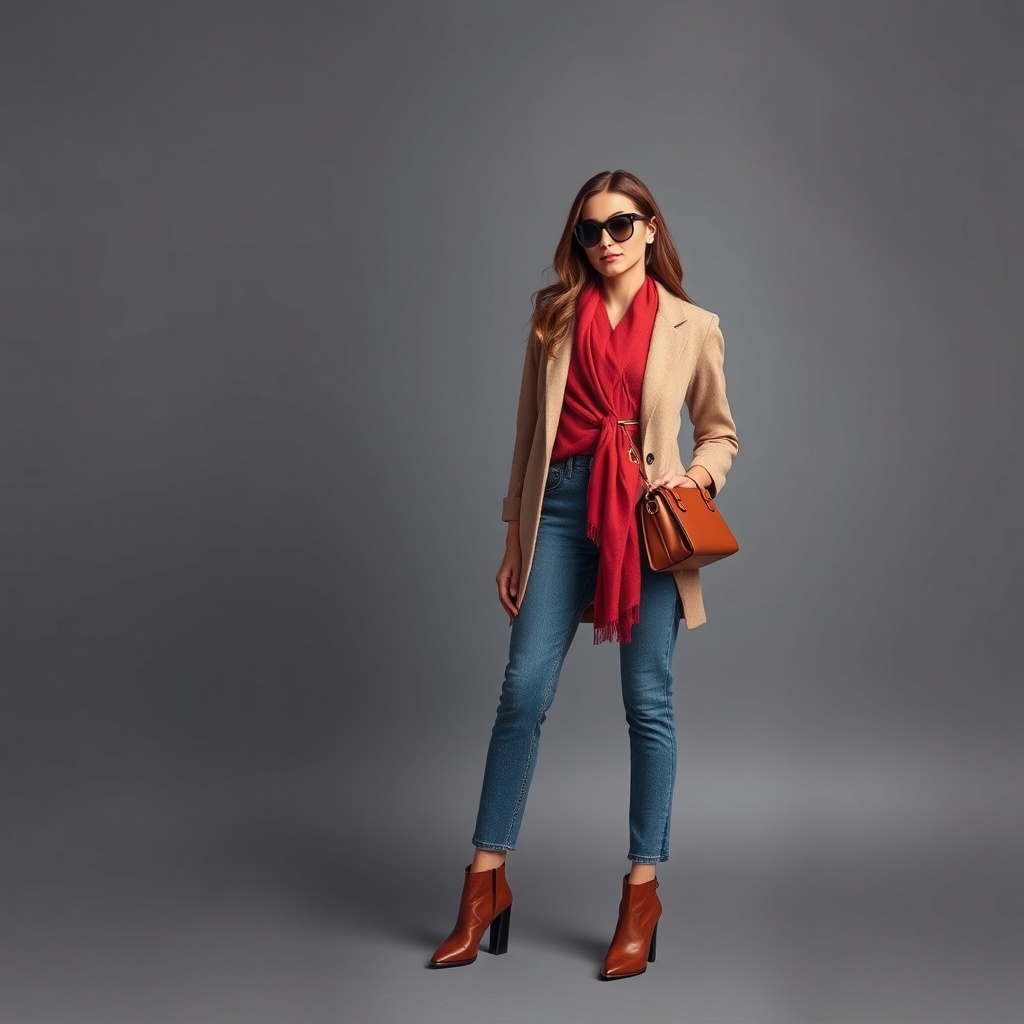
Current consumer preferences favor a hybrid wardrobe: elevated loungewear that transitions to the street, relaxed tailoring, and gender-neutral silhouettes. Classic pieces — trench coats, mid-length skirts, and structured knitwear — are being reimagined in softer fabrics and more inclusive cuts. Accessories are also turning practical: durable bags, multipurpose footwear, and jewelry designed for longevity rather than fast trends.
Care and longevity tips
Proper garment care is one of the most effective sustainability strategies:
– Follow care labels and air-dry when possible to preserve fibers.
– Store knits folded to avoid shoulder stretch; use cedar or lavender to deter pests.
– Learn basic repairs—replacing buttons, fixing hems, darning holes—to keep pieces wearable.
How brands can respond
Brands that thrive will combine transparency, circular offerings, and thoughtful design. Communicating tangible sustainability measures, investing in quality construction, and providing post-purchase services (repairs, recycling) build consumer trust and loyalty.
The outlook for fashion is pragmatic creativity. Style remains a personal expression, but choices increasingly reflect broader values: resourcefulness, authenticity, and responsibility.
By prioritizing quality, embracing circular options, and paying attention to care, consumers can enjoy clothes that look great and last longer.