Nostalgia Rules: How Reboots, Streaming, and Social Platforms Drive Pop Culture Comebacks
Nostalgia is a powerful engine in pop culture. Classic franchises, cult films, and early-2000s pop hits keep finding new life—driven by streaming platforms, social media trends, and fan communities. Understanding how these forces interact explains why old favorites keep returning to the cultural conversation and how creators and brands can tap into that energy without feeling stale.
Why nostalgia works
Nostalgia offers emotional shortcuts: familiarity, comfort, and a sense of identity. When audiences encounter a beloved tune, character, or visual style, that instant recognition triggers memories and social sharing. That emotional return on investment makes nostalgia inherently viral—perfect fuel for streaming algorithms and social feeds.
The role of streaming platforms
Streaming platforms curate and resurrect content at scale. Catalogues of older TV, film, and music provide endless opportunities for discovery. Algorithms surface titles to new audiences, while curated collections and thematic playlists reframe old content in fresh contexts—turning a once-obscure show into a binge hit and reviving a soundtrack through playlist placement.
Social platforms and viral re-discovery
Short-form platforms are the modern jukebox. Clips, remixes, and challenges can take a song, scene, or line and propel it back into mainstream conversation.
Creators layer nostalgia with new creativity—edits, dances, and memes—so older content becomes culturally relevant again. This is often audience-led, not studio-planned, which gives grassroots movements surprising power over which properties get renewed attention.
Fans as creative collaborators
Fan communities now act as co-creators. Through fan art, edits, fan fiction, and organized campaigns, audiences shape the narratives around nostalgic properties. Studios and brands increasingly monitor and engage with these communities, sometimes incorporating fan feedback into official revivals, spinoffs, or marketing strategies.
That partnership can deepen loyalty when handled authentically.
Balancing homage with innovation
Not every reboot succeeds.
The most celebrated revivals respect the original while expanding its universe—updating storytelling, inclusivity, or tone to resonate with contemporary audiences. Reboots that rely solely on imitation often feel like cash grabs. Successful projects blend recognizable elements with fresh perspectives, honoring fans while inviting newcomers.
Merch, live events, and experiential play
Nostalgia extends beyond screens. Limited-run merchandise, pop-up experiences, and live rewatch events turn communal memory into tangible moments. These activations create urgency and exclusivity—two potent drivers of modern fandom commerce. For brands, experiential nostalgia boosts both revenue and word-of-mouth.
Practical takeaways for creators and brands
– Listen first: Monitor fan channels and social trends to identify genuine grassroots interest.
– Respect the source: Preserve core elements that define the original while introducing meaningful updates.
– Collaborate with creators: Partner with influential creators who can reinterpret nostalgic content authentically for new audiences.
– Leverage multi-platform release strategies: Use streaming placements, social clips, and playlists in tandem to maximize rediscovery.
– Create limited experiences: Drops, pop-ups, and exclusive merch deepen engagement and reward loyal fans.
What to watch next
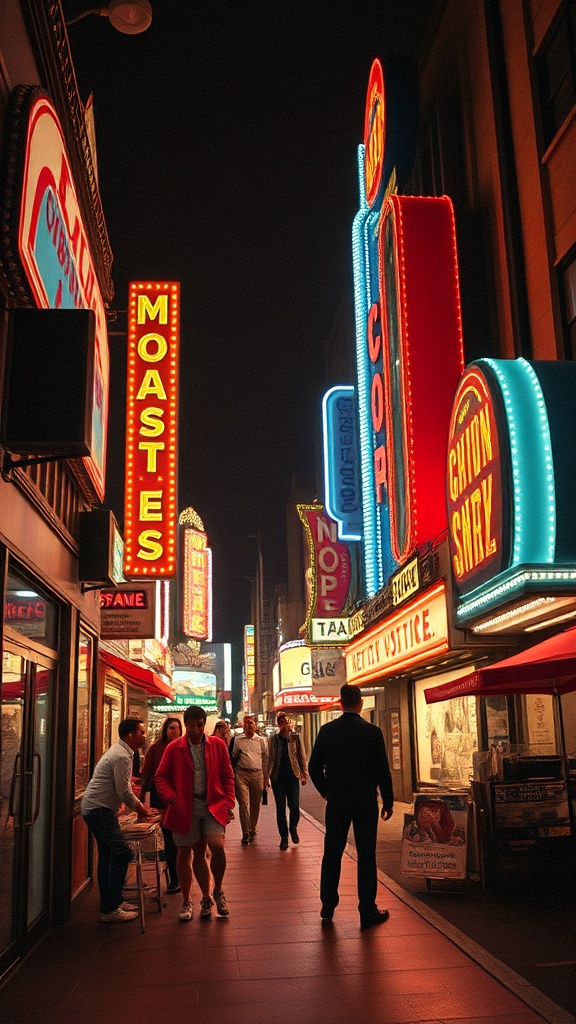
Expect nostalgia to continue evolving as creators remix the past with new voices and technologies.
The most resonant revivals will be those that prioritize storytelling and community over pure replication.
For audiences, that means more opportunities to reconnect with favorites in ways that feel both familiar and surprising. For brands and creators, tapping into that nostalgia thoughtfully can unlock long-term cultural relevance rather than a fleeting trend.