Why Reboots Keep Dominating Pop Culture
Nostalgia has become a powerful currency in pop culture, and reboots, revivals, and reimaginings are how studios and platforms are cashing in. From TV series reborn for new audiences to film franchises retooled for streaming, the trend reflects shifting viewer habits, economic strategy, and creative opportunity.
Why reboots work
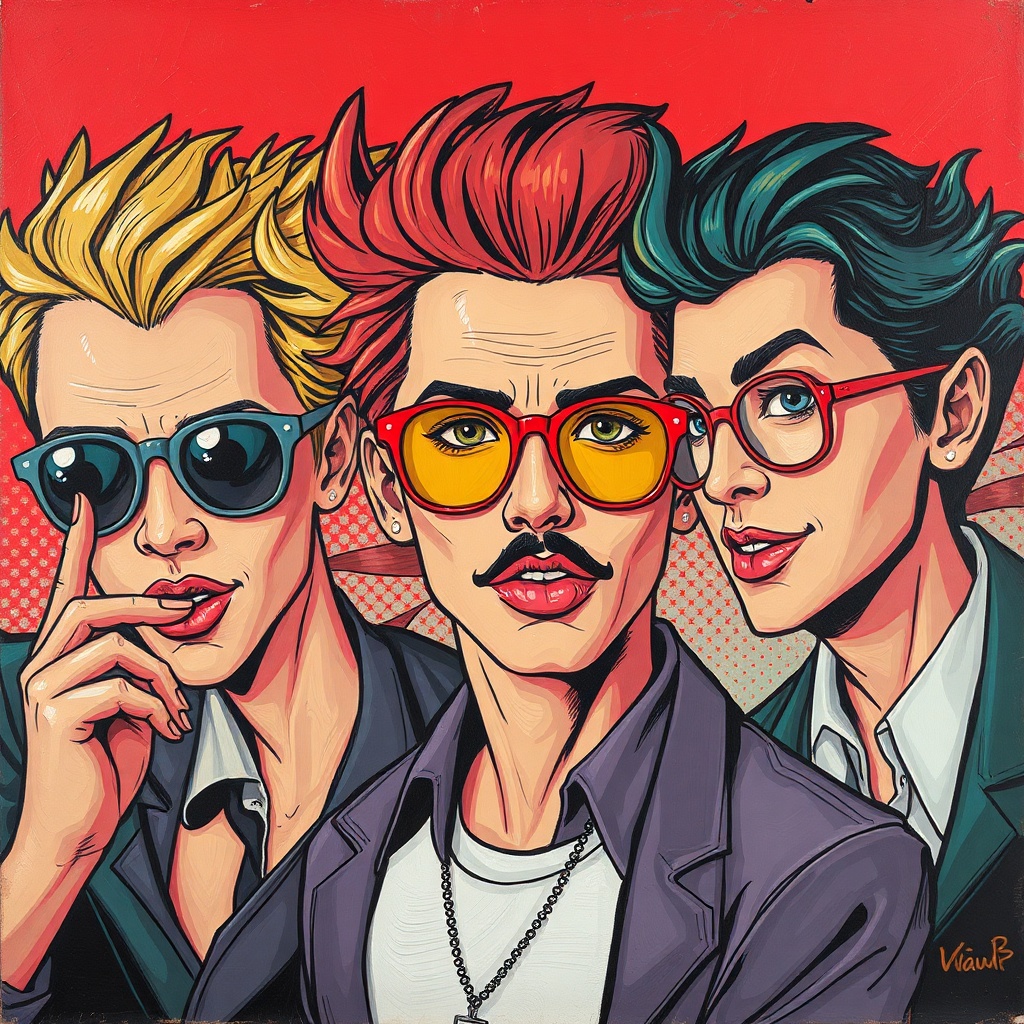
– Built-in audience: Familiar titles come with ready-made fans, lowering marketing risk and increasing the chance of immediate attention.
– Streaming demand: Platforms need steady content to attract and retain subscribers, and recognizable IP fills the pipeline faster than untested originals.
– Emotional resonance: Nostalgia triggers strong emotional engagement. Reboots tap into memories, creating an instant bond that can translate into social buzz and watercooler conversation.
– Creative reinvention: A reboot can modernize tone, diversify casts, and explore previously sidelined perspectives, making legacy stories feel relevant again.
Creative approaches that succeed
Smart reboots treat source material as inspiration rather than a template. Successful projects balance faithful elements—iconic characters, signature lines, or visual motifs—with fresh storytelling and new stakes. Some effective strategies include:
– Expanding the universe: Spin-offs that shift focus to secondary characters or new settings can both honor the original and grow a franchise.
– Genre shifts: Reimagining a comedy as a drama or vice versa can reveal unexpected depth and capture new viewers.
– Contemporary themes: Tackling current social issues or tech realities helps a reboot resonate with modern sensibilities.
– Respectful updates: Diverse casting and inclusive storytelling that don’t feel like tokenism tend to be better received.
Risks and fatigue
Reboots aren’t guaranteed wins. Overreliance on nostalgia can produce tired or derivative content, and fans are quick to call out lazy retreads. Common pitfalls include:
– Surface-level changes that ignore structural problems in the original
– Miscasting beloved roles or altering key character dynamics without justification
– Ignoring fan expectations and legacy canon, which can provoke backlash
– Franchise oversaturation that dilutes brand value
What fans want
Audiences generally respond best when reboots deliver at least one of three things: emotional payoff, compelling new storytelling, or a meaningful expansion of the original world. Transparency from creators—about whether a project is a true sequel, a soft reboot, or a reimagining—helps set expectations and can reduce disappointment.
Opportunities for creators
For writers and producers, reboots offer both constraints and advantages.
Working with established IP gives a narrative head start, but creativity comes from risking the familiar: subverting expectations, centering underrepresented voices, and using modern production tools to elevate visual and narrative scope. Collaborating with original creators or consulting longtime fans can also create goodwill and authenticity.
How to engage as a viewer
If you’re curious about a reboot, approach it with an open but critical mindset. Consider these tips:
– Watch with context: Revisit a few key episodes or scenes from the original to understand what matters to fans.
– Separate nostalgia from quality: Enjoy fond memories, but evaluate the new project on its own storytelling merits.
– Join the conversation: Fan communities and critics provide lenses to appreciate reinterpretations and identify creative wins or missteps.
Nostalgia isn’t going away, but the best reboots are those that use it as a springboard rather than a crutch. When creators honor what made the original special while daring to evolve, pop culture gains revitalized stories that feel both familiar and surprising.