Why Nostalgia Still Rules Pop Culture — and How It Shapes What We Watch, Wear, and Share
Pop culture cycles faster than ever, yet one constant keeps resurfacing: nostalgia.
From glossy reboots to retro fashion drops and soundtrack-heavy advertising, the past remains a powerful engine for attention, engagement, and commercial success. Understanding why nostalgia resonates—and how it’s being used—helps fans and brands navigate the cultural landscape more effectively.
Why nostalgia works
Nostalgia taps into emotional memory.
Familiar characters, songs, or aesthetics trigger comforting associations, lowering resistance to new products and media.
That emotional shortcut is especially potent during uncertain times, making nostalgic content an easy way to forge quick, deep connections with audiences. For creators, it provides ready-made IP with built-in awareness; for marketers, it delivers a proven hook that boosts shareability.
How nostalgia shows up now
– Reboots and continuations: Classic TV properties and film franchises keep returning with modern twists. Instead of mere remakes, many projects pick up established characters and expand their stories for new platforms, which helps capture both longtime fans and newcomers.
– Retro fashion and brand collabs: Streetwear labels and major fashion houses tap archival designs, partnering with entertainment brands to create limited drops that sell out quickly. Vintage logos, old-school colorways, and capsule collections all feed the desire for authenticity.
– Music and soundtracks: Older hits re-emerge on streaming playlists and short-form video, often thanks to creative sync placements and viral dances. Soundtracks become cultural moments that bridge generations.
– Gaming and interactive nostalgia: Remasters, ports, and nostalgia-driven indie titles allow gamers to revisit beloved experiences, sometimes with accessibility improvements and quality-of-life updates that broaden appeal.
The role of fandom and social platforms
Fan communities are central to nostalgia’s momentum. Social platforms amplify fan theories, memes, and nostalgia-driven campaigns, turning small sparks into mainstream phenomena. User-generated content—covers, fan art, re-edits—sustains interest between official releases and creates a participatory culture that benefits both creators and fans.
Commercial opportunities for brands
Brands that incorporate nostalgia effectively focus on authenticity and relevance. Tactical moves include:
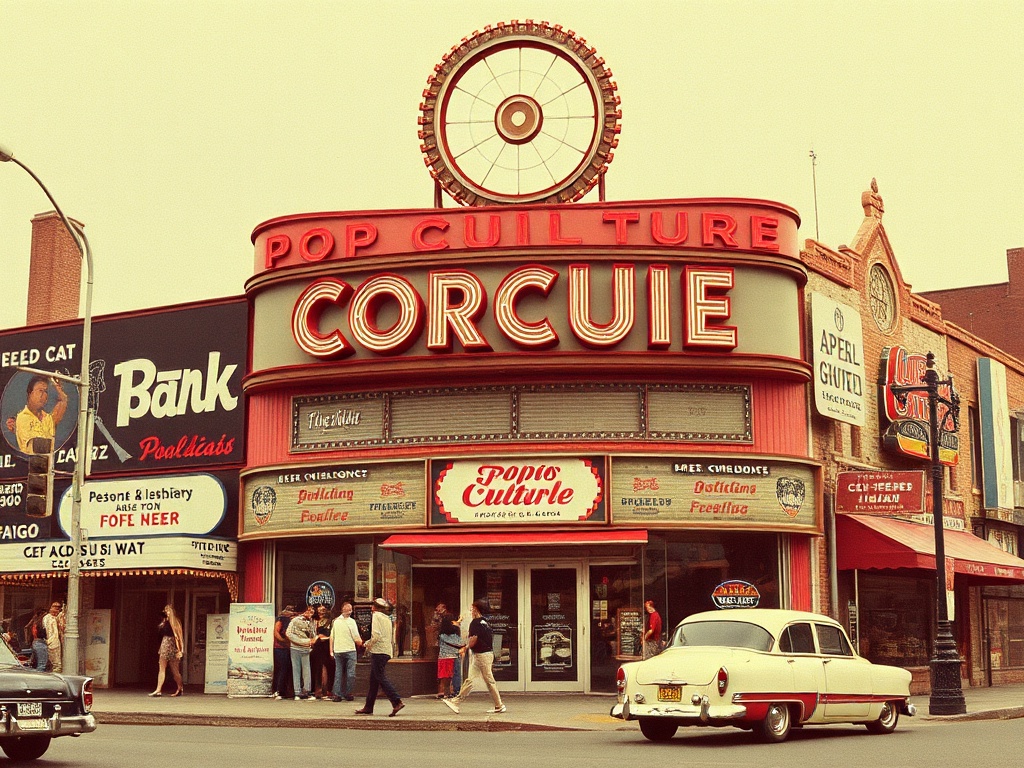
– Curated collaborations with vintage IPs rather than surface-level pastiche
– Limited-edition drops to create urgency and collectability
– Story-driven marketing that ties nostalgic elements to contemporary values, like diversity or sustainability
Pitfalls to avoid
Not all nostalgia succeeds. When projects lean on familiarity without fresh storytelling or misread what fans loved about the original, they risk alienating audiences. Overreliance on past success can also stifle innovation, so striking the right balance between homage and novelty is essential.
What comes next
Nostalgia will likely stay influential, but it’s evolving. Audiences are increasingly sophisticated, demanding both creative respect for originals and meaningful updates. Successful projects will be those that use nostalgia as a launchpad—honoring what made the original special while reimagining it for current tastes and platforms.
For creators and brands, the takeaway is clear: nostalgia remains a powerful tool when paired with clear intent, thoughtful execution, and a willingness to innovate.
When handled well, it not only rekindles fond memories but also builds new cultural moments that resonate across generations.