Sustainable Fabrics That Actually Change Your Wardrobe
Sustainable fashion isn’t just a buzzword—it’s changing how garments are made, bought, cared for, and ultimately lived in.
The focus has shifted from disposable trend chasing to fabrics and processes that reduce environmental impact while delivering style and durability. Understanding the materials and habits that make a real difference helps you build a wardrobe that looks good and does good.
What to look for in eco-friendly fabrics
– Natural with mindful cultivation: Organic cotton, hemp, and linen use fewer pesticides and often require less water. They breathe well and tend to soften with age rather than pill.
– Regenerated cellulosics: Fibers like lyocell and modal are made from sustainably sourced wood pulp through closed-loop processes that recover solvents and reduce waste.
They drape beautifully and are a great option for tops, dresses, and linings.
– Recycled synthetics: Recycled polyester and nylon reduce reliance on virgin petrochemicals and divert plastic waste from landfills and oceans. Look for garments made from post-consumer waste or industrial byproducts processed into new yarns.
– Innovative bio-based and low-impact options: Fabrics derived from agricultural residues, algae, or biotech processes are emerging as lower-impact alternatives. Many offer unique textures and performance without the heavy resource use of conventional fibers.
Certifications and transparency that matter
Certifications and clear labeling help distinguish meaningful sustainability claims from marketing. Common benchmarks include organic certifications for natural fibers, global recycled content standards for reclaimed synthetics, and textile safety certifications that limit harmful chemicals. Brands that publish supply chain maps, factory audits, and end-of-life plans offer better assurance of genuine impact.
Practical wardrobe strategies
Switching to sustainable materials goes hand in hand with smarter shopping habits:
– Choose timeless silhouettes and neutral colors that mix and match, extending wearability.
– Invest in staple pieces with durable construction—seams, zips, and interlinings matter.
– Prioritize multipurpose garments that travel well from work to weekend.
Care and longevity tips
How you care for clothes is as important as what they’re made from:
– Wash less and colder. Frequent, hot washes shorten fiber life and increase energy use.
– Use gentle or wool-specific detergents and avoid fabric softeners that can coat fibers.
– Air-dry when possible and use low-heat settings for the dryer to prevent shrinkage and wear.
– Learn basic repairs—re-stitch seams, replace buttons, and mend small holes to extend a garment’s life.
End-of-life options
When a piece is no longer wearable, many alternatives to landfill exist: donate, consign, or sell through resale platforms; participate in take-back programs; or explore textile recycling facilities that accept blends and synthetics.
Some brands offer repair services or refurbishment to keep garments in circulation longer.
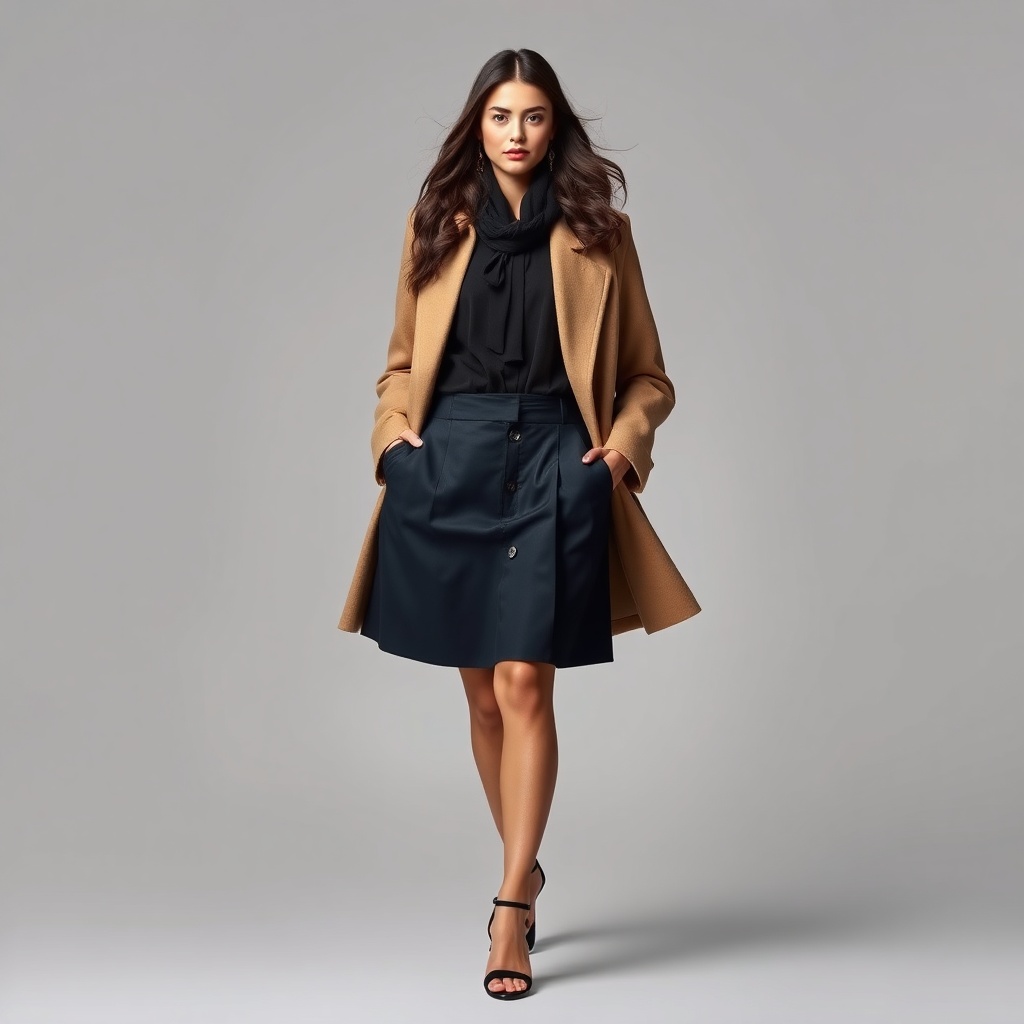
Making an impact with everyday choices
Sustainable fashion is less about perfection and more about consistent, better choices.
Focusing on quality materials, transparent brands, thoughtful care, and circular options reduces environmental costs while enhancing your personal style. Start by auditing your closet for versatile, well-made items, replacing only what you truly need, and looking for fabrics and labels that align with long-term value. Small shifts in buying and caring habits add up to a wardrobe that lasts—both in style and in impact.