Why nostalgia rules pop culture (and how creators keep it fresh)
Nostalgia has become one of the most powerful forces shaping pop culture today. From streaming platforms reviving beloved shows to sneaker collaborations that riff on retro silhouettes, audiences are drawn to the familiar — but not just for comfort. Creators and brands are learning how to remix the past so nostalgia feels purposeful and relevant.
Why nostalgia works
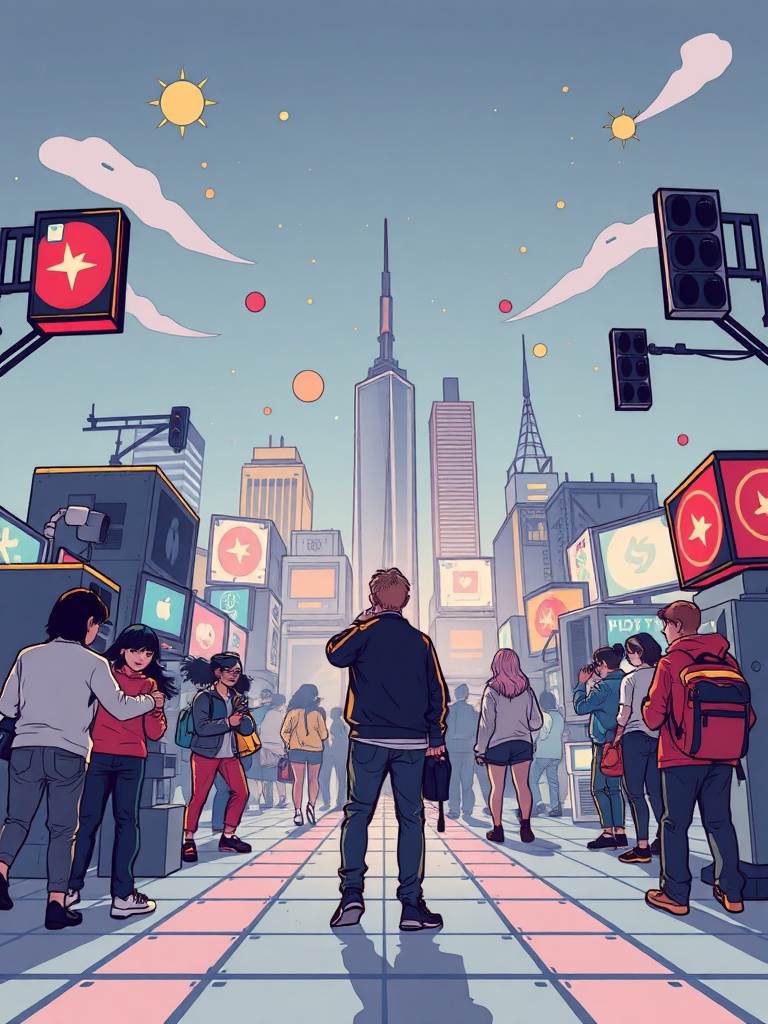
Nostalgia triggers emotional memory: familiar songs, characters, or styles can instantly evoke a feeling of belonging. That emotional shortcut boosts engagement, which is why franchises and legacy properties remain attractive investments. At the same time, younger audiences discover older properties through recommendation algorithms and social platforms, expanding fandom beyond the original fanbase.
How content stays interesting
Simply re-releasing an old property rarely satisfies. Successful revivals update the original’s themes, diversify perspectives, and use modern storytelling tools:
– Reinvention over repetition: Creators reframe familiar stories to explore untold angles or deeper character work, making the material feel essential rather than purely derivative.
– Cultural relevance: New installments often address contemporary social issues or dynamics, creating a bridge between nostalgic material and modern conversations.
– Format experimentation: Anthology structures, limited runs, or hybrid releases (crossing film, series, short-form clips, and interactive media) refresh well-known IP.
Cross-industry ripple effects
Nostalgia isn’t confined to screens. Music sampling, fashion drops, and gaming remasters all leverage the same emotional pull. Soundtracks featuring vintage tracks can propel old songs back into charts when paired with a viral moment. Clothing lines mine archive prints and logos, while game studios remaster classics with updated interfaces and online features to reach today’s players.
The role of fandom and social platforms
Fan communities fuel revival cycles. Hashtags, rewatch streams, and fan theories keep momentum alive and can influence official creators to return to beloved universes. Short-form video apps accelerate rediscovery: a trending clip can introduce a decades-old scene or song to a global audience overnight. That dynamic makes engagement metrics and community sentiment as important as box office or ratings.
Risks and rewards for creators
Nostalgia-driven projects carry risk. Misreading what fans loved about the original, over-relying on callbacks, or ignoring contemporary expectations can alienate both legacy and new viewers. But when executed thoughtfully, revivals can build deeper worlds, attract cross-generational audiences, and create merchandising and partnership opportunities that extend beyond a single release.
What to watch for next
Expect more creative blending of past and present: legacy properties reimagined through diverse creative teams, interactive companion experiences, and soundtrack-first marketing that leverages playlist culture. Brands that honor the emotional core of nostalgia while innovating in form and perspective are most likely to sustain long-term interest.
Practical takeaways for fans and creators
– Fans: Engage beyond passive watching—join rewatch livestreams, create thoughtful content, and support creators who expand original material thoughtfully.
– Creators and brands: Focus on what made the original meaningful, then apply modern storytelling, representation, and distribution strategies to make revival projects resonate with new audiences.
Nostalgia will continue to shape pop culture because it taps into the universal desire for connection and meaning. When harnessed with creativity and respect, it becomes more than a trend — it’s a tool for storytelling that bridges generations and keeps cultural conversations alive.