Nostalgia is a powerful engine of pop culture, shaping what gets rebooted, reissued, and reimagined across music, TV, film, fashion, and gaming.
Audiences crave the familiar and the comforting; when combined with fresh creative energy, nostalgia becomes more than memory — it becomes a lucrative cultural cycle that keeps classics alive and helps new work find an audience fast.
Why nostalgia resonates
Nostalgia taps into emotion. Rewatching a beloved show, hearing a familiar song, or wearing a retro jacket evokes personal memories and social identity. That emotional shortcut makes nostalgic content inherently shareable: people want to relive moments and show communities they belong to.
At the same time, modern platforms amplify those moments. Short-form video turns a forgotten theme song into a viral trend overnight; streaming services make back catalogs accessible to global audiences; reissued vinyl and limited-edition drops give collectors a tangible way to participate.
How creators and brands use nostalgia effectively
Successful revivals balance respect for the original with new perspectives. Rather than copying, the best reboots expand characters, update themes for contemporary audiences, or use meta-commentary to acknowledge the original’s place in culture. Brands that treat nostalgia as a starting point — not an endpoint — invite both longtime fans and newcomers.
Practical tactics seen across industries:
– Reissues and deluxe editions: Remastering audio or adding unreleased tracks lets fans rediscover albums, while special packaging appeals to collectors.
– Cameos and continuations: Bringing back original cast members in meaningful roles rewards loyal viewers and creates buzz without depending solely on past glory.
– Retro-inspired design: Fashion labels reinterpret vintage cuts and logos to match modern silhouettes and materials, making retro styles wearable for today’s audiences.
– Cross-platform storytelling: Expanding a franchise through comics, podcasts, or games deepens engagement and reaches niche fan communities.
– Social media activation: Challenges, throwback playlists, and curated nostalgia moments generate organic conversation and user-generated content.
The role of fandom and community
Modern fandoms are active, vocal, and organized. Fan theories, petitions, and online campaigns have helped revive shows, influence casting, and guide streaming platforms’ decisions. Community-driven events — watch parties, conventions, and pop-up experiences — convert nostalgia into real-world participation. For creators, engaging with fans authentically is crucial; communities can be powerful partners if they feel heard.
Risks and pitfalls
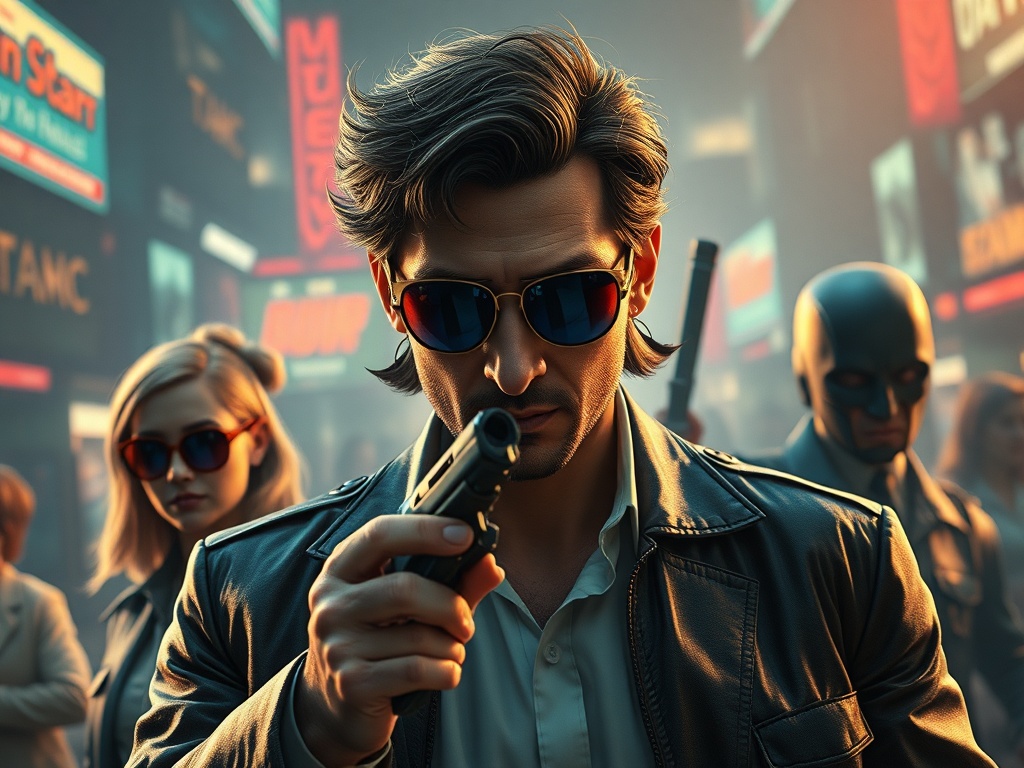
Not every revival lands.
Overreliance on nostalgia can feel lazy if the new work adds little value beyond replication.
Misjudging tone or ignoring cultural shifts can backfire, provoking backlash.
There’s also the danger of over-saturation: when every property is rebooted, novelty wears thin. Strategic restraint and clear creative purpose make nostalgia feel meaningful rather than mercenary.
Why it matters now
Nostalgia-driven projects can bridge generations, offering older audiences a comforting return and younger audiences a cultural education. For creators and brands, tapping into this trend requires a mix of respect, innovation, and platform literacy. When done well, nostalgia becomes more than an echo of the past — it’s a springboard for fresh storytelling, renewed fandom, and cultural continuity.
If you’re thinking about using nostalgic elements in a project, focus on what made the original special, identify what contemporary audiences are missing, and design a way to reconnect both groups through thoughtful updates and genuine engagement.
The result can be both emotionally satisfying and culturally relevant.