Skin-first makeup is more than a trend—it’s a practical approach that merges skincare benefits with flattering coverage.
Whether you prefer a barely-there glow or a polished, photo-ready finish, focusing on skin health, smart product choices, and streamlined techniques delivers a fresh, modern look with less fuss.
Why skin-first makeup works
Skinimalism emphasizes natural texture, lightweight formulas, and multi-tasking products. It reduces the layering of heavy concealers and thick foundations that can cake or settle into lines. Clean, breathable formulas that include skincare actives—hyaluronic acid, niacinamide, antioxidants, and SPF—support skin over time while providing immediate improvement in tone and texture.
Key products to build a skin-first routine
– Tinted SPF or tinted moisturizer: Provides light coverage while protecting skin.
Look for non-comedogenic, broad-spectrum protection and formulas that blend evenly without leaving a white cast.
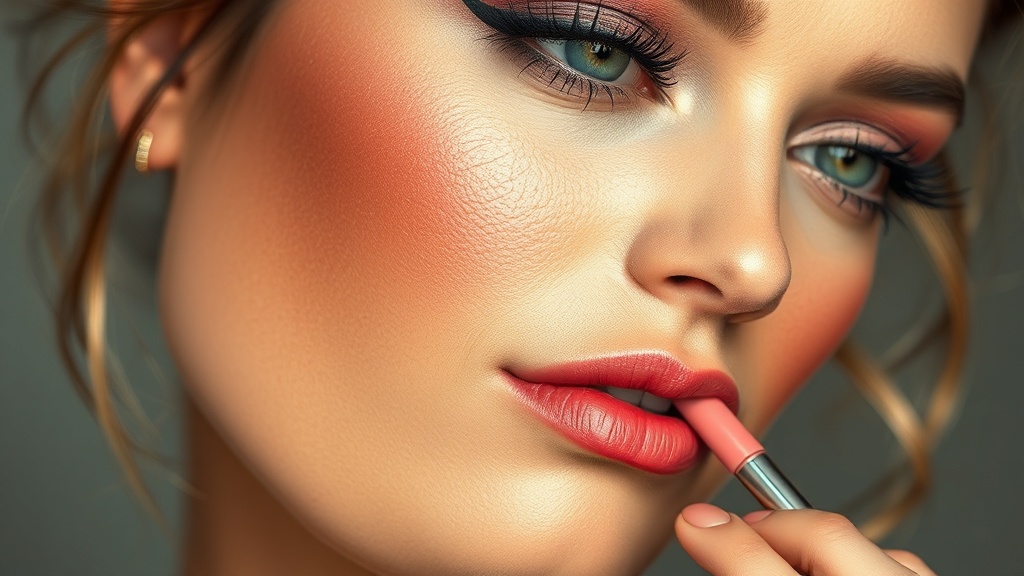
– Lightweight serum-foundations or skin tints: Offer buildable coverage with skin-friendly ingredients. Choose a finish (dewy, natural, satin, or matte) that complements your skin type.
– Multi-use sticks: Cream blushes, bronzers, and highlighters in stick form are easy to blend with fingers for a cohesive, skin-like finish.
– Concealer for targeted correction: Use sparingly to spot-correct under-eye circles or blemishes rather than masking the whole face.
– Setting mist or light powder: A hydrating mist keeps dewy skin fresh; a finely milled powder controls shine where needed without flattening the complexion.
Match shade and undertone with confidence
Shade matching has improved dramatically with larger shade ranges and better undertone guidance. To pick the right base:
– Test on the jawline in natural light to see how it blends with both face and neck.
– Identify undertone: cool (pink/red), warm (yellow/golden), or neutral. Check the veins on your wrist—blue/purple veins often indicate cool, greenish veins suggest warm, and a mix points to neutral.
– Use color-correcting sparingly: peach or orange tones counteract blue under-eyes; green correctors neutralize redness before concealer.
Techniques for a natural finish
– Prep: Hydrate and prime as needed—silicone-based primers smooth texture, while hydrating primers add glow.
– Apply thin layers: Start with a light layer and build coverage only where necessary. Use damp sponge or fingertips for skin-like blending.
– Cream over powder: Cream products melt into skin for a fresh finish; set oil-prone areas with a touch of translucent powder.
– Focus on color placement: Apply cream blush to the high point of the cheek and blend toward the temple for a lifted look; subtle bronzer on the perimeter adds warmth without harsh lines.
Sustainable and inclusive choices
Sustainability and inclusivity are reshaping the beauty shelf. Many brands now offer refillable compacts, recycled packaging, and clearer ingredient sourcing. Shade inclusivity has become a baseline expectation—look for brands with extensive shade ranges and undertone options. Packaging that reduces waste and formulas that avoid potentially harmful ingredients make beauty choices better for both skin and planet.
Finishing touches
Groomed brows and a touch of mascara open the eyes with minimal effort. A tinted balm or gloss adds hydration and a hint of color. For longevity, a light mist seals the look without dulling natural texture.
Embracing a skin-first approach simplifies your routine, protects and enhances the skin, and creates a versatile base for any look—from no-makeup days to polished evenings. Small changes in product choice and technique yield noticeable improvements, keeping makeup modern, comfortable, and flattering.