Short-form video platforms have rewritten the rules of how music breaks, how fandoms form, and how pop culture spreads.
What began as a place for quick dances and lip-syncs has matured into a dominant discovery engine—one that favors catchy snippets, strong visuals, and participatory fan culture.
A new grammar of songwriting has emerged: hook-first structure and instantly recognizable sounds.
Producers and songwriters are increasingly crafting “viral-ready” moments—15- to 30-second sections that can be looped, remixed, and choreographed.
That shift nudges artists toward clear, repeatable motifs and memorable lyrics that land quickly in a crowded feed. Visual identity matters as much as sonic identity; single-cover aesthetics, thumbnail frames, and short-form video concepts often get mapped out before a full release strategy is finalized.
For independent artists the barrier to exposure has lowered significantly. A single creator with a compelling idea can turn an obscure track into a cultural earworm overnight. Labels and managers still matter for scaling success, but creator-driven virality has rewritten A&R scouting: clips and user-generated trends are now front-row indicators of market potential. Playlist placement still helps, but the most potent catalyst for breakouts increasingly lives in social media loops and shared challenges.
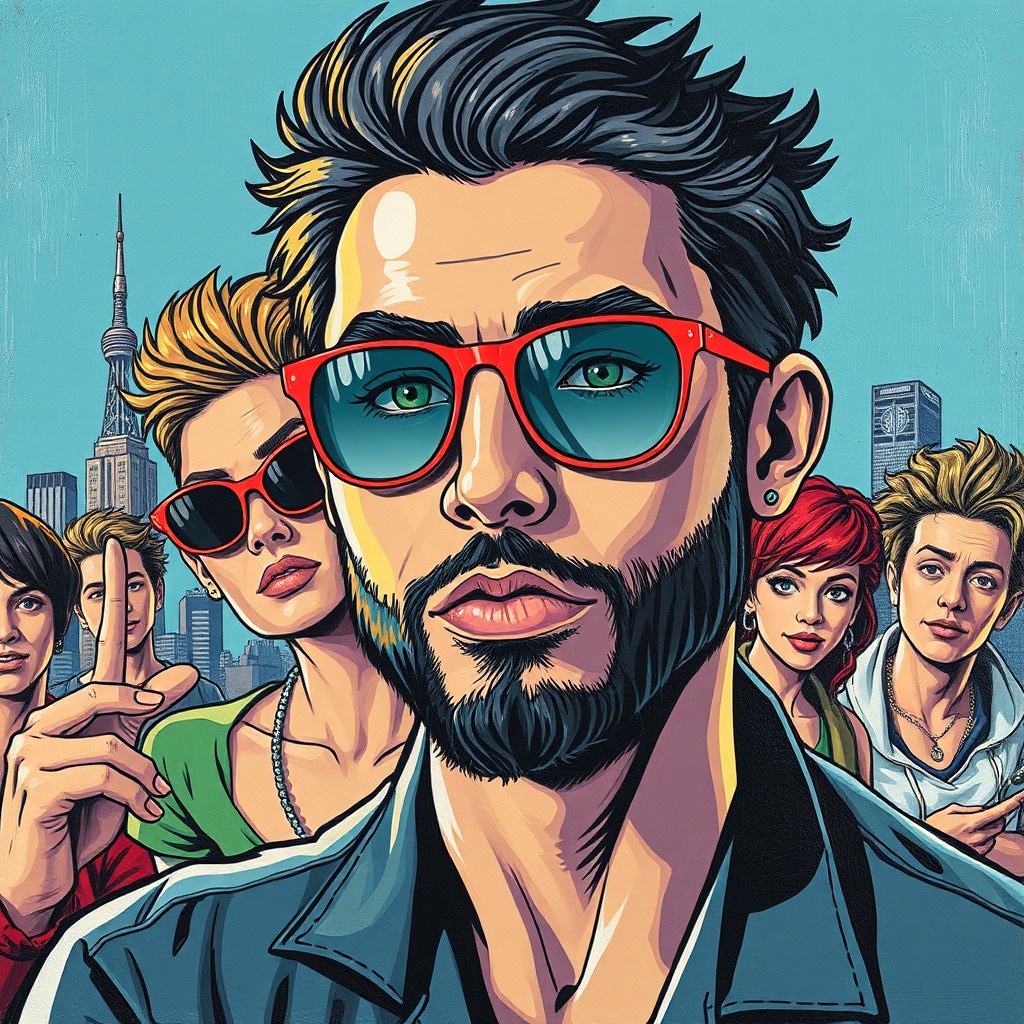
Fandom behavior has evolved alongside these platforms. Fans are no longer passive consumers; they co-create. Fan edits, dance trends, and remix competitions amplify songs while building community rituals around them. Micro-celebrities and creators act as cultural accelerants, introducing music to niche communities that then propagate new meanings and uses for a song—memes, sounds for reaction videos, and context-specific edits that reshape how a track is perceived.
The economics of music and fandom have adapted too. Sync opportunities and short-use licenses have become more valuable as brands and creators seek sounds that can be repurposed for ads or content. At the same time, rights management has grown more complex. Content ID systems, sample clearing, and disputes over attribution are part of the new landscape, prompting artists and managers to be proactive about metadata and licensing options.
This ecosystem has creative benefits and costs. On the upside, artists enjoy faster discovery and novel collaboration pathways, often partnering with influencers or choreographers to build momentum.
On the downside, the pressure to craft viral-ready moments can compress artistic risk-taking. Some listeners report “algorithm fatigue,” where trends dominate rather than diverse musical exploration, and creators face intense cycles of visibility followed by rapid audience shifts.
Brands and entertainment properties are paying attention, too. Campaigns leverage creator networks and in-app ad formats to seed trends, while film and TV sound editors look to short-form success as a signal for soundtrack picks. Cross-platform strategies—linking short clips to longer-form content and live events—are becoming standard practice for artists who want a full-funnel relationship with listeners.
For fans, the experience is both richer and more participatory. Communities form around shared creative acts, and fandoms can mobilize quickly to support releases, chart moves, or charitable drives.
Expect continued innovation in how creators, platforms, and rights holders negotiate attention and compensation.
As platforms and audience habits continue to evolve, the biggest constant is participation. Pop culture now favors contribution: the songs that stick are the ones listeners choose to remake, share, and turn into communal rituals.
That change has reshaped how music is made, marketed, and loved—and it will keep shaping the stories and sounds that define what’s popular next.