Sustainable style isn’t just a trend — it’s a smarter way to build a wardrobe that looks good and lasts.
With more shoppers prioritizing quality, transparency, and longevity, the focus has shifted from fast turnover to thoughtful choices.
Here’s how to create a stylish, sustainable closet that works for everyday life.
Why a capsule wardrobe works
A capsule wardrobe centers on versatile, well-made pieces that mix and match effortlessly. Benefits include less decision fatigue, fewer impulse purchases, and a clearer budget for investment pieces. Start by identifying your lifestyle needs—work, weekend, travel—and aim for 25–40 items (including shoes and outerwear) that cover most situations.
Choose neutral base colors and two accent tones to keep outfits cohesive.
Choosing fabrics that last
Fabric choice determines how garments age. Natural fibers like cotton, wool, silk, and linen often offer durability and breathability, while modern recycled and bio-based materials provide performance and lower environmental impact.
Prioritize tightly woven fabrics, reinforced seams, and classic cuts over fast-fashion trends.
Labels that disclose fiber content and production practices make it easier to evaluate quality.
Key wardrobe staples to invest in
– A tailored blazer: elevates casual outfits and works for formal moments.
– Crisp white shirt: the ultimate layering piece for business or leisure.
– Quality denim: a mid-to-dark wash with a flattering rise suits many looks.
– Neutral knit: a fine-gauge sweater or cardigan for layering across seasons.
– Versatile footwear: a comfortable, polished sneaker and a classic leather boot or loafer.
– Outerwear: a waterproof trench or a wool coat that fits your daily needs.
Care and repairs extend life
How you care for garments is as important as what you buy. Wash less, spot-clean when possible, and follow the care label. Use cold water and gentle detergents for delicate items, and air-dry to maintain shape.
Learn basic repairs—replacing buttons, patching small holes, and reinforcing seams—so pieces stay wearable longer. Professional tailoring can transform an off-the-rack item into a favorite that fits perfectly.
Circulation: resale, rental, and recycling
Circular fashion options make it easy to reduce waste. Resale platforms and local consignment stores offer a curated secondhand selection for finding investment pieces at lower prices.
Clothing rental services are ideal for special events or trend-driven items you won’t wear often. For garments that are truly worn out, many brands and retailers have take-back or recycling programs that divert textiles from landfills.
Styling for longevity
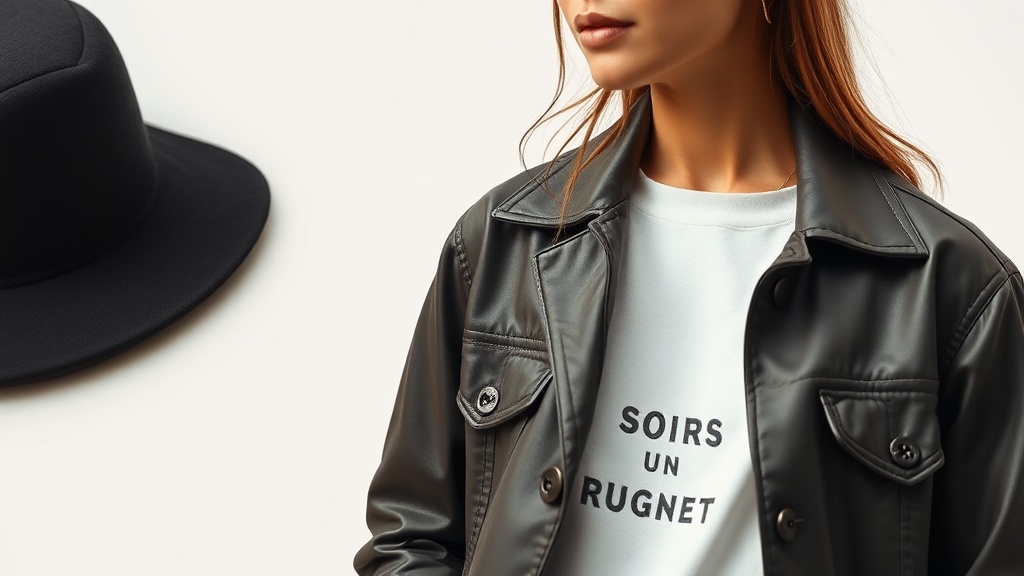
Classic silhouettes and proportion-focused outfits outlast trend cycles. Mix textures—leather, knit, silk—for dimension without relying on loud prints.
Accessories like scarves, belts, and jewelry refresh the same core pieces. When trying new trends, do it through accessories or seasonal items that won’t disrupt the long-term cohesiveness of your wardrobe.
Practical next steps
Audit what you own: donate, repair, or sell pieces you haven’t worn in months.
Build a shopping list focused on gaps rather than wants. When buying, ask about return policies, repair services, and fabric origins. Small changes in shopping and care habits add up to a wardrobe that’s both stylish and sustainable.
Adopting these approaches elevates daily dressing and reduces environmental impact while letting personal style evolve naturally. Start with one closet edit and watch how intentional choices transform the way you shop and dress.