Nostalgia Sells: Why Reboots and Retro Trends Dominate Pop Culture Today
Nostalgia has become one of the most powerful forces shaping pop culture. Whether it’s classic TV shows returning to screens, fashion cycles reviving past silhouettes, or musicians sampling decades-old hits, audiences are repeatedly drawn to the familiar. That appeal isn’t just sentimental; it’s a predictable engine for engagement, discovery, and revenue — and it’s reshaping how creators and platforms approach content.
Why nostalgia works
There’s a psychological comfort to revisiting elements from formative years. Familiar characters, songs, and aesthetics trigger memory-associated emotions, lowering resistance and increasing enjoyment. For many, nostalgia offers an emotional shortcut: it reduces cognitive effort by relying on established attachment, which helps new iterations catch on quickly.
That emotional resonance translates into rapid social sharing and sustained fan conversations on social platforms.
The business case for reboots
For studios and streaming services, nostalgia is a risk-mitigation strategy. Reviving a known intellectual property reduces uncertainty about audience size, helps monetize existing fandoms, and leverages built-in brand recognition for marketing. Licensing legacy franchises also fuels merchandising, tie-ins, and cross-promotional opportunities.
In a crowded marketplace where attention is scarce, the familiar stands out amid the noise.
How platforms and fandoms amplify the trend
Social media and algorithmic recommendation systems magnify nostalgic content. Short-form video platforms let fans remix, meme, and recontextualize classic scenes, while community spaces encourage theory-crafting and countdowns that sustain interest. Influencers and creators act as cultural accelerants, introducing retro content to new generations and expanding the fanbase beyond original audiences.
Balancing homage with innovation
Not every reboot succeeds. Audiences crave both reverence and reinvention. Projects that lean solely on nostalgia risk feeling hollow; those that ignore the source material can alienate core fans. The most successful revivals honor the spirit of the original while updating themes, pacing, and representation to align with contemporary expectations. That balance invites both legacy fans and newcomers to invest emotionally and financially.
Fashion, music, and aesthetics: cyclical reinvention
Nostalgia’s influence isn’t limited to film and TV. Fashion cycles mine past decades for fresh inspiration, while musicians sample and reinterpret older sounds to create new hits. Retro aesthetics become cultural shorthand — from synth-driven soundscapes to vintage-inspired wardrobes — enabling brands and creators to craft coherent identities that resonate across platforms.
What creators and brands should consider
– Understand core fan values: Identify what made the original resonate and protect those elements.
– Innovate respectfully: Introduce contemporary storytelling, diverse voices, and modern production values.
– Leverage cross-platform storytelling: Use podcasts, social clips, and interactive experiences to deepen engagement.
– Avoid over-saturation: Space out revivals and spin-offs to maintain anticipation and prevent fatigue.
What audiences can expect
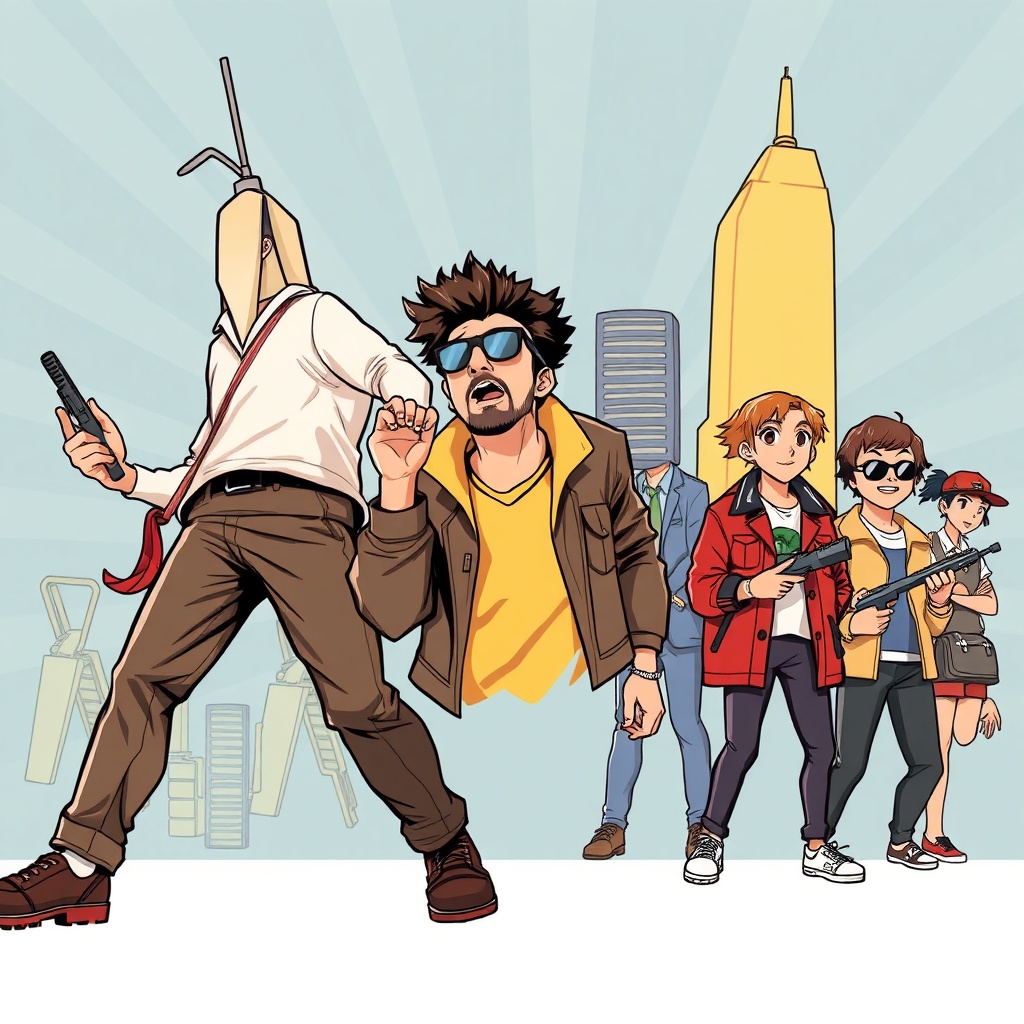
Nostalgia will remain a central ingredient in pop culture, but it will evolve.
New technologies, shifting social norms, and the rising influence of younger audiences will continue to reshape how familiar stories are told.
Fans will keep demanding authenticity and meaningful updates, ensuring that successful revivals do more than replicate the past — they reinterpret it in ways that feel relevant today.
Nostalgia provides a reliable entry point into culture, but lasting impact comes from thoughtful reinvention. When creators and fans collaborate around that principle, older stories can find new life and speak to broader, more diverse audiences.