Why Pop Culture Keeps Looking Back: The Power of Nostalgia and the Reboot Economy
Nostalgia has become a central force shaping pop culture. From streaming platforms reviving classic shows to movie studios rebooting familiar franchises, audiences are drawn to content that recalls formative moments. That attraction is more than sentimental—it’s a strategic blend of emotion, commerce, and community that keeps bringing the past back into the spotlight.
Why nostalgia sells
– Emotional shortcut: Familiar characters, settings, and soundtracks trigger memory and comfort. That emotional shortcut makes audiences more likely to engage, share, and subscribe.
– Proven IP reduces risk: Studios and platforms prioritize recognizable brands because built-in audiences lower marketing risk and increase the chance of steady returns.
– Multiplatform monetization: Nostalgic properties can be expanded across streaming, merchandise, games, and live events, turning a single reboot into a broader revenue ecosystem.
– Social media amplification: Fans rediscovering old favorites create viral discussions, fan art, and rewatch trends, which fuel renewed interest and free promotion.
How creators balance homage and freshness
Successful revivals respect the original while offering something new.
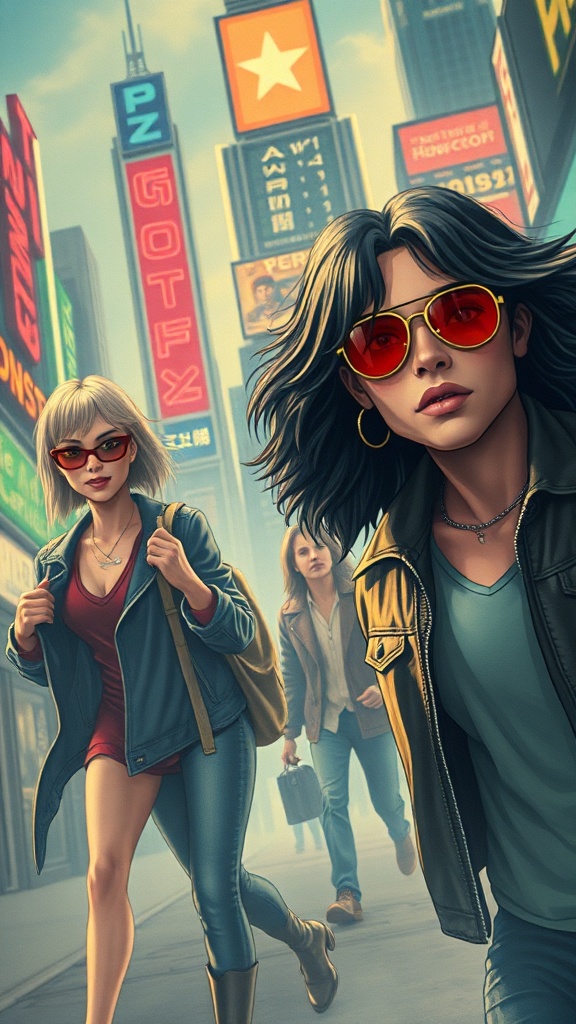
That balance matters for critics and long-time fans alike. Approaches that work include:
– Updating themes: Keep the core emotional beats but reinterpret themes to reflect contemporary social dynamics and diverse perspectives.
– New perspectives: Introduce fresh protagonists or secondary characters that expand the world rather than merely redoing the same arcs.
– Creative continuity: Involve original creators or key contributors where possible to preserve tone, while empowering new voices to innovate.
– Modern production values: Use improved technology to enhance storytelling—better visual effects, sound design, and pacing—without letting spectacle overwhelm substance.
Risks and audience fatigue
Even with careful execution, reboot fatigue can set in. Too many reboots, shallow nostalgia, or perceived cash-grab motivations lead to backlash. Fans are increasingly savvy; they respond negatively to reboots that ignore canon, mishandle legacy characters, or strip away what made the original meaningful.
Another pitfall is overreliance on nostalgia marketing—repeated callbacks and Easter eggs can feel like hollow fan service if there’s no compelling reason for the story to exist.
What fans and creators should look for
– For fans: Prioritize revivals that offer meaningful updates or deeper exploration of the source material.
Engage critically—support projects that add value rather than simply rehashing old beats.
– For creators and studios: Aim for longevity by investing in strong writing and character development.
Use nostalgia as an entry point, not a destination. Foster community by involving fans early and being transparent about creative choices.
The long game for pop culture
Nostalgia will persist because it connects eras, creates shared cultural touchstones, and offers a lower-risk path to new content. However, the projects that endure will be those that treat legacy properties as living worlds—ones that evolve, challenge expectations, and invite new audiences in. Expect the conversation around reboots to continue, driven by community response and creativity rather than nostalgia alone.