Nostalgia Sells: Why Reboots, Remakes, and Retro Style Dominate Pop Culture
Nostalgia has evolved from a sentimental afterthought into a driving force behind pop culture. Across film, television, fashion, and social media, familiar icons and retro aesthetics are resurfacing with renewed power. Understanding why this trend persists helps explain why certain projects skyrocket in popularity and why brands keep mining the past.
Why nostalgia resonates now
Nostalgia offers emotional shortcuts. Familiar characters, sounds, or styles trigger memories and a sense of comfort during uncertain times. That emotional resonance translates into engagement: audiences are more likely to click, stream, and share content that evokes the familiar while offering a fresh twist. Streaming platforms and global distribution make it easier to find niche classics and reinvest in them, turning once-obscure properties into mainstream cultural touchstones.
The remix effect: fresh spins on old favorites
Reboots and remakes succeed when they balance reverence with reinvention. Audiences expect callbacks—iconic lines, theme music, signature visual beats—alongside contemporary storytelling that addresses modern values and aesthetics. Successful revivals often deepen characters, explore missed opportunities from the source material, or modernize the setting without erasing what made the original appealing.
This combo appeals to both long-time fans and new viewers discovering the property for the first time.
Fashion and the retro cycle
Fashion’s revival cycles have shortened; trends return faster and more frequently. Y2K, ‘90s grunge, and vintage prep styles often reappear with updated fabrics, sustainable production, and modern silhouettes. Social platforms amplify microtrends—an influencer’s throwback outfit can spark a global resurgence overnight. Brands that acknowledge the emotional pull of retro design while offering fit, quality, and sustainability tend to win consumer trust.
Social media as amplifying engine
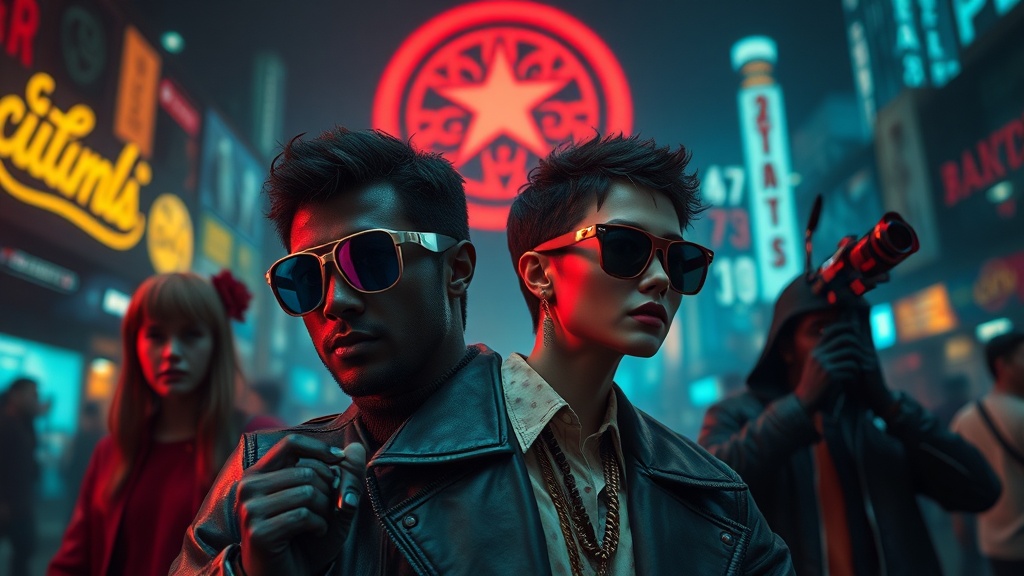
Short-form video platforms have become nostalgia accelerators. Clips that highlight past trends, soundtrack throwbacks, or side-by-side then-and-now comparisons go viral quickly. Fandom communities mobilize around anniversaries and revivals, generating memes, fan edits, and cosplay that sustain momentum long after official marketing fades. The result: a feedback loop where user-generated content fuels renewed interest, which prompts studios and brands to invest further.
Risks and rewards for creators and brands
Relying on nostalgia isn’t a guaranteed win.
Poorly executed reboots that ignore contemporary sensibilities or simply rehash old ideas without depth can provoke backlash.
Conversely, thoughtful revivals that expand representation, explore underdeveloped themes, or offer emotional complexity can rejuvenate franchises and build lasting cultural capital.
Practical takeaways for cultural creators
– Honor the source: Include recognizable elements to reward long-time fans, but avoid relying solely on fan service.
– Update with purpose: Modern references should deepen the narrative or address gaps rather than act as superficial gloss.
– Leverage platforms: Encourage user-generated content and create shareable moments that translate into organic reach.
– Think sustainable: In fashion and merchandising, align retro aesthetics with sustainable production to meet consumer expectations.
Why this trend endures
Nostalgia taps into identity and continuity. It lets people reconnect with formative moments while experiencing them through a contemporary lens. As cultural consumption continues to fragment across platforms and regions, nostalgia provides common ground—shared icons and stories that unite diverse audiences.
That combination of familiarity and reinvention ensures nostalgia will remain a formidable force in pop culture for the foreseeable future.