A well-crafted capsule wardrobe is one of the easiest ways to simplify daily dressing while aligning with sustainable fashion values. By focusing on quality, versatility, and timeless pieces, you reduce decision fatigue, lower consumption, and get more wear from each item.
Here’s a practical guide to building a capsule wardrobe that fits modern life and fast-moving trends without becoming disposable.
Why a capsule wardrobe matters
Capsule wardrobes prioritize longevity over novelty. Rather than chasing seasonal drops, the approach centers on pieces that mix and match effortlessly, supporting a cohesive personal style.
This method saves money over time, minimizes closet clutter, and supports slow fashion practices by encouraging informed purchases and better garment care.
Start with a closet audit
Begin by taking everything out and creating three piles: keep, repair, and remove. Ask whether each item fits well, reflects your current lifestyle, and pairs with other pieces. Items that spark joy and wear repeatedly belong in the “keep” pile. Those that need minor fixes go into “repair,” and anything unworn for a long time should be considered for resale or donation.
Choose a flexible color palette
Limit your primary colors to two or three neutrals—think navy, gray, black, camel, or off-white—and add two to three accent colors that flatter your complexion. A cohesive palette makes mixing and matching effortless and increases outfit possibilities with fewer garments.
Essential pieces to include
– A well-fitting blazer in a neutral tone
– A classic white shirt or blouse
– A tailored pair of trousers and a versatile pair of jeans
– A knit sweater or cardigan in a neutral
– A simple dress that can be dressed up or down
– A lightweight jacket for transitional weather
– Neutral shoes: sneakers, loafers or flats, and a pair of dress shoes or boots
– Minimal accessories: a quality belt, a scarf, and a versatile bag
Prioritize fit and quality
Fit often matters more than brand or price. Tailoring transforms an inexpensive piece into a wardrobe staple.
Look for durable constructions—reinforced seams, natural fibers like cotton, linen, wool, and responsibly produced synthetics where appropriate. Natural fibers are breathable and age gracefully; modern blended fabrics can offer wrinkle resistance and stretch, useful for active lifestyles.
Shop smarter: buy less, choose well
Adopt a “one in, one out” rule to keep your closet curated. Support secondhand markets and clothing rental services to experiment with trends without permanent purchases. When buying new, consider care instructions, repairability, and resale potential.
Care to extend life
Proper care dramatically extends garment longevity. Follow washing guidance, use gentle detergents, avoid excessive heat, and air-dry when possible. Learn basic repairs—sewing on a button or fixing a hem prevents premature disposal. Store seasonal pieces properly, using breathable garment bags and cedar to deter pests.
Close the loop: repair, resell, recycle
When a piece no longer serves you, repair or repurpose it first. Resell high-quality items through consignment or resale platforms. For worn-out fabrics, look for textile recycling programs that accept damaged garments.
A capsule wardrobe is not about restriction—it’s about intentionality.
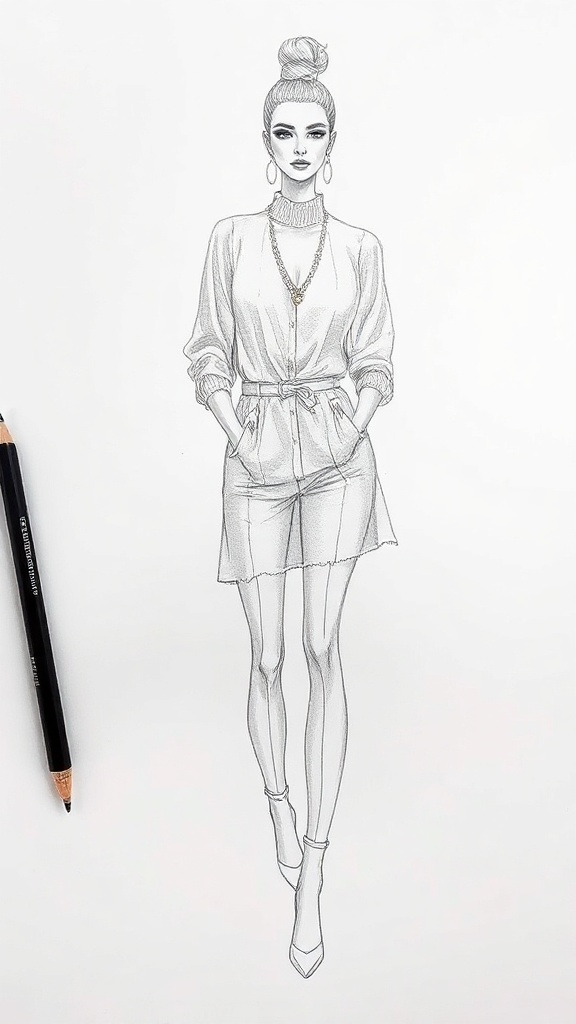
By curating durable, versatile items that reflect your lifestyle and color story, you’ll simplify getting dressed, reduce environmental impact, and build a signature style that stands the test of time. Start small: pick five items to rotate and refine your closet from there.