Short-form video platforms have rewritten how music breaks, fandoms form, and pop culture spreads. A 15–60 second clip can turn an unknown hook into a global earworm overnight, reshape an artist’s career, and send back-catalog tracks climbing the charts again.
Understanding this new ecosystem helps artists, marketers, and fans navigate trends that rise fast and evolve even faster.
Why short-form video changes everything
– Bite-sized hooks win: Algorithms reward quick engagement. Songs with instantly recognizable melodies or lyrics that fit a dance, reaction, or meme format get clipped and shared more often.
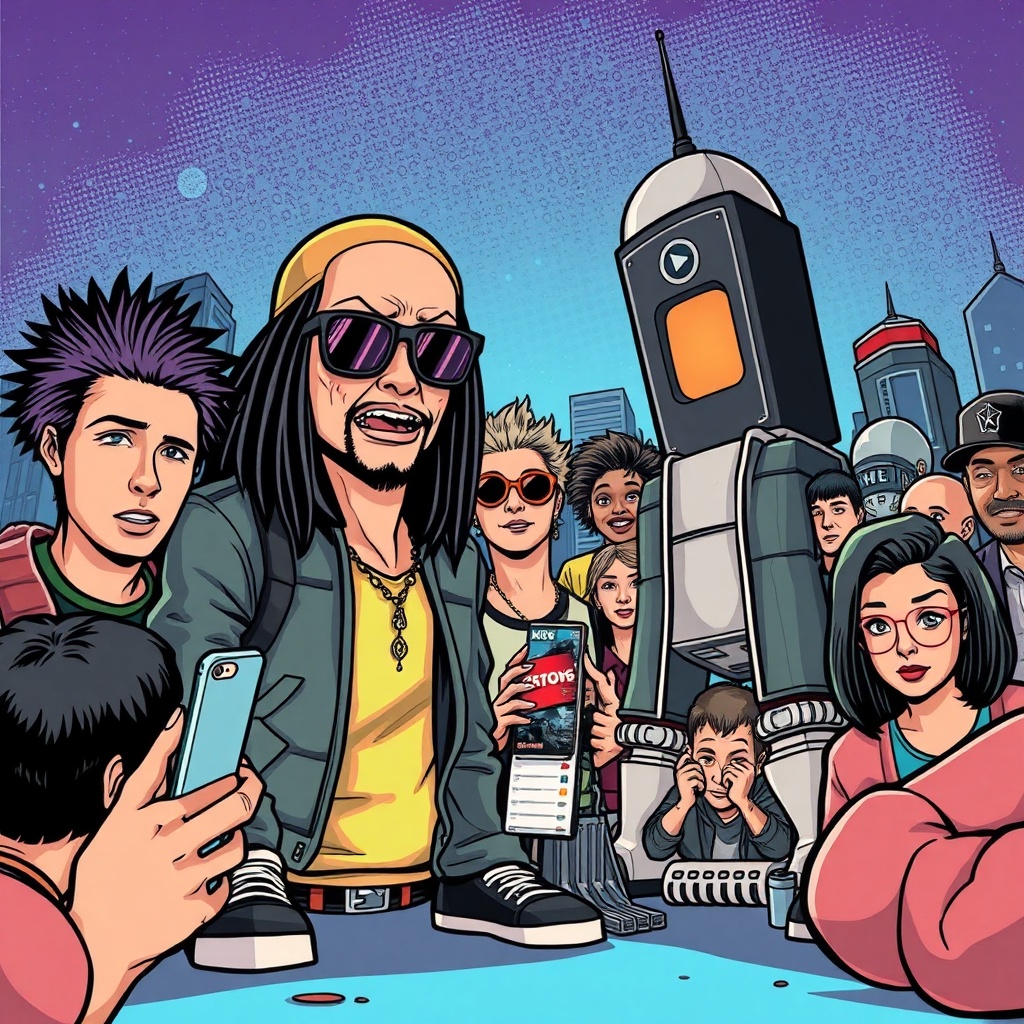
– UGC fuels discovery: User-generated content acts as free promotion.
When thousands of creators repurpose a sound in different contexts, that sound becomes a cultural signal rather than just a track.
– Cross-platform ripple effects: Viral clips drive streams, playlist placements, sync opportunities, and ticket sales. A trend on one app typically spills into other streaming services and social networks.
– Nostalgia plays well: Older tracks are frequently rediscovered when a clip reframes them—whether as a mood soundtrack, a comedic punchline, or a dance routine—giving legacy artists sudden new visibility.
How artists and labels adapt
Successful creators treat short-form video as part of the release strategy, not an afterthought. Tactics that work include:
– Lead with the hook: Make the most memorable 10–20 seconds obvious and repeatable.
– Offer stems and edits: Provide creators with clean audio clips and alternative mixes to encourage remix culture.
– Seed trends intentionally: Collaborate with influential creators to start a challenge or narrative that invites participation.
– Stay nimble: Monitor emerging sounds and be ready to pivot promotion plans when organic moments appear.
Pitfalls to watch for
Riding the virality wave isn’t without risk. Overreliance on one platform can leave careers exposed to algorithm changes. Virality can also be fleeting—mass attention doesn’t always translate to long-term fan loyalty or revenue. Copyright disputes and improper licensing show up when creators use tracks without clearance, so ownership and synchronization rights need careful management.
Best practices for artists and marketers
– Create multiple clip lengths for different formats and placements.
– Use clear, searchable metadata and consistent artist handles to make discovery easier.
– Build direct fan channels (email lists, Discord, fan clubs) so fandoms survive algorithm shifts.
– Reinvest viral attention into sustainable assets: merch, live events, and exclusive releases that deepen connection.
How fans fit in
Fans aren’t passive anymore; they are co-creators.
Participating in trends, sharing remixes, and making fan content can amplify favorite artists and shape what gets attention next. For deeper engagement, follow artists across platforms, add trending songs to personal playlists, and support through official channels to help artists monetize momentum.
The landscape continues to evolve, but one pattern is clear: storytelling in short form has become a primary cultural driver. Musicians and marketers who combine creativity with strategy—and who treat fans as partners in promotion—stand the best chance of turning a fleeting moment into lasting success.