The New Nostalgia: How Fan Culture, Short-Form Video, and Streaming Are Shaping Pop Culture Today
Pop culture is moving faster and getting stranger — but with a familiar twist.
Nostalgia has become a creative accelerant, short-form video continues to dictate attention, and fan communities now help decide what becomes a hit. Understanding these forces gives creators, brands, and fans a clearer sense of where trends originate and how they spread.
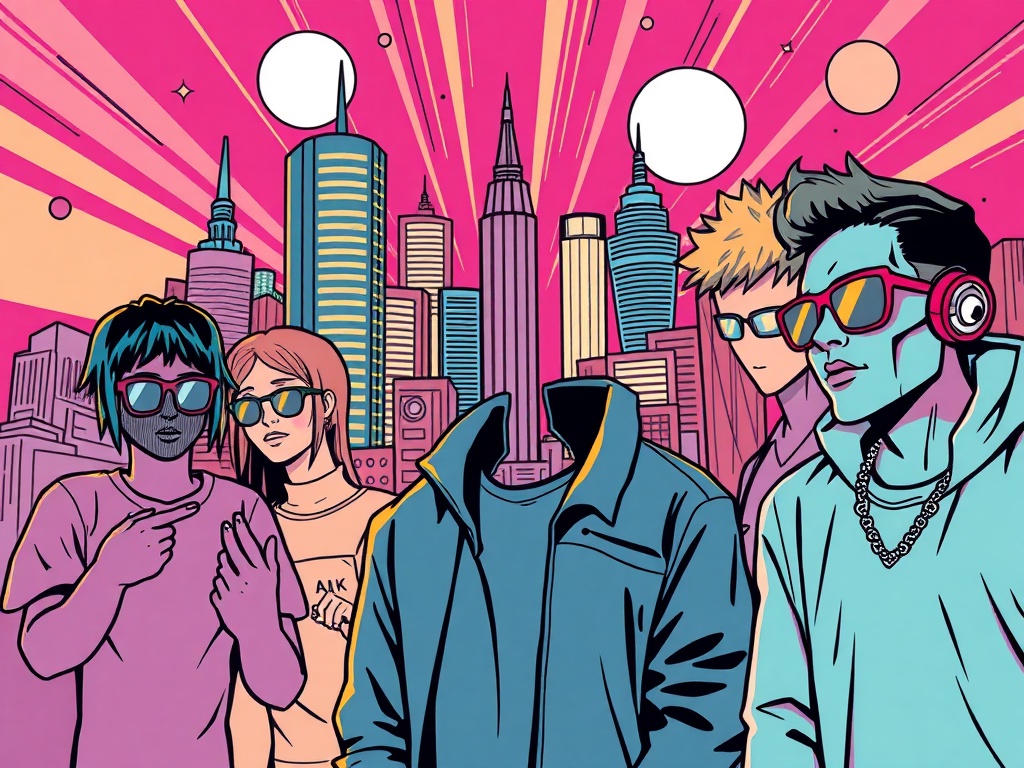
Nostalgia as creative currency
Nostalgia isn’t just recycling old ideas; it’s a strategy. Reboots, revivals, and retro-inspired fashion tap into emotional memories while updating aesthetics for modern tastes. The key difference is authenticity: audiences see through cheap nostalgia. Successful projects use beloved source material as a jumping-off point, preserving core elements while offering fresh perspectives that reflect today’s social values and storytelling expectations.
Short-form video rules attention
Bite-sized videos continue to reshape how pop culture is discovered and consumed. Viral dances, remixable audio clips, and micro-memes turn obscure songs, TV moments, and vintage clips into cultural currency overnight. For artists and marketers, embracing short-form formats means optimizing hooks within the first few seconds, designing visuals that read on small screens, and thinking in loops — content that rewards repeated viewing and remixing.
Streaming’s long tail and platform fragmentation
Streaming has expanded the palette of what can succeed. Niche genres and international hits find audiences without needing mass-market theatrical exposure. That leads to more diverse storytelling but also platform complexity: fans follow shows across multiple services, and creators must balance exclusivity with discoverability. Smart distribution strategies now combine platform-first drops with social amplification and curated playlisting to reach both core fans and casual viewers.
Fans as active participants
Fan communities are no longer passive consumers. They organize campaigns, influence casting decisions, and finance passion projects. This participatory culture rewards creators who invite contribution — through official channels, user-generated content guidelines, or community-led events. Brands that respect fan labor and collaborate transparently turn superfans into powerful advocates.
Fashion, music, and the remix economy
Trends in fashion and music increasingly rely on remix culture.
Vintage silhouettes reappear with modern tailoring; classic tracks are reinvented through samples and viral clips. The remix economy thrives on accessibility: tools for music production, affordable vintage sourcing, and social platforms that let anyone publish their spin.
The result is a culture where influence flows horizontally as much as top-down.
Representation and accountability
Audiences expect stories and talent that reflect society’s diversity. Representation matters across casting, production crews, and creative leadership.
At the same time, transparency and accountability around workplace culture and creative choices have become part of a project’s reception. Cultural relevance now includes ethical considerations that can affect both critical and commercial success.
Practical takeaways for creators and brands
– Prioritize the first few seconds: craft hooks that work without sound and read well on small screens.
– Collaborate with active fan communities: offer official tools or prompts for remixing and co-creation.
– Use nostalgia thoughtfully: balance homage with innovation and contemporary values.
– Think cross-platform: pair exclusive drops with social-friendly assets to maximize reach.
– Center diverse voices in front of and behind the camera to build trust and broaden appeal.
Pop culture today is a dynamic interplay of memory and immediacy — where old comforts meet new formats, and passionate communities can lift the obscure into the mainstream. That mix keeps the cultural landscape exciting and unpredictable, rewarding those who listen, adapt, and participate rather than simply broadcast.