Nostalgia has become a powerful currency in pop culture.
Streaming platforms, franchise owners, and studios lean on familiar IP because it delivers built-in audiences, predictable marketing, and cross-platform merchandising.
But nostalgia-driven reboots and revivals are more than safe bets — they reveal how fandom, social media, and changing cultural values reshape the stories audiences want to revisit.
Why nostalgia sells
Nostalgia taps into emotion. When viewers reconnect with characters, themes, or aesthetics from formative cultural moments, they get comfort and a sense of continuity.
For streaming services and studios, that emotional shortcut reduces risk: investment in known brands often outperforms launching wholly new properties. Licensing, merchandising, theme-park tie-ins, and soundtrack sales amplify the return on nostalgic projects, making them attractive across revenue streams.
How fandoms steer the conversation
Fan communities now act as active participants in what gets revived. Organized campaigns, trending hashtags, and fan petitions have helped move projects from concept to production. Social media creates a feedback loop: creators test ideas, audiences respond, and studios adapt strategies. This dynamic can be positive — it gives marginalized voices a platform to demand better representation in revivals — but it also pressures creators to chase viral approval rather than long-term storytelling goals.
The creative tightrope: honoring vs. reimagining
Successful reboots balance reverence for the original with meaningful updates. A faithful recreation can satisfy devoted fans, but it risks becoming a nostalgia trap if it offers nothing new.
Conversely, radical reinventions can alienate the core audience.
The most compelling revivals pay attention to tone, character integrity, and thematic relevance while updating storytelling conventions, pacing, and inclusivity to reflect contemporary sensibilities.
Signs of nostalgia fatigue
Audiences are growing savvy. Saturation of reboots, endless sequels, and formulaic “legacy” entries can lead to diminishing returns.
Critics and viewers increasingly call out projects that rely solely on name recognition without craft. To avoid fatigue, decision-makers need to evaluate whether a revival answers a creative question — does it deepen characters, explore new perspectives, or expand the world — rather than merely exploiting a familiar brand.
Opportunities for creators and brands
– Embrace diversity: Reimagining classic properties through diverse writers, directors, and casts can refresh old stories and attract broader audiences.
– Make stories accessible: New installments that stand on their own invite newcomers while rewarding longtime fans with thoughtful callbacks.
– Leverage transmedia: Podcasts, graphic novels, and short-form series can explore corners of a franchise that a blockbuster cannot, keeping audiences engaged without overextending major brands.
– Prioritize quality over quantity: Strategic, well-crafted revivals build trust and maintain the long-term value of a franchise.
What to watch for
Cultural relevance, fan engagement, and creative ambition will continue to drive which properties get renewed attention. Projects that combine emotional resonance with contemporary themes — while respecting the intelligence of both new viewers and nostalgic fans — tend to perform strongest.
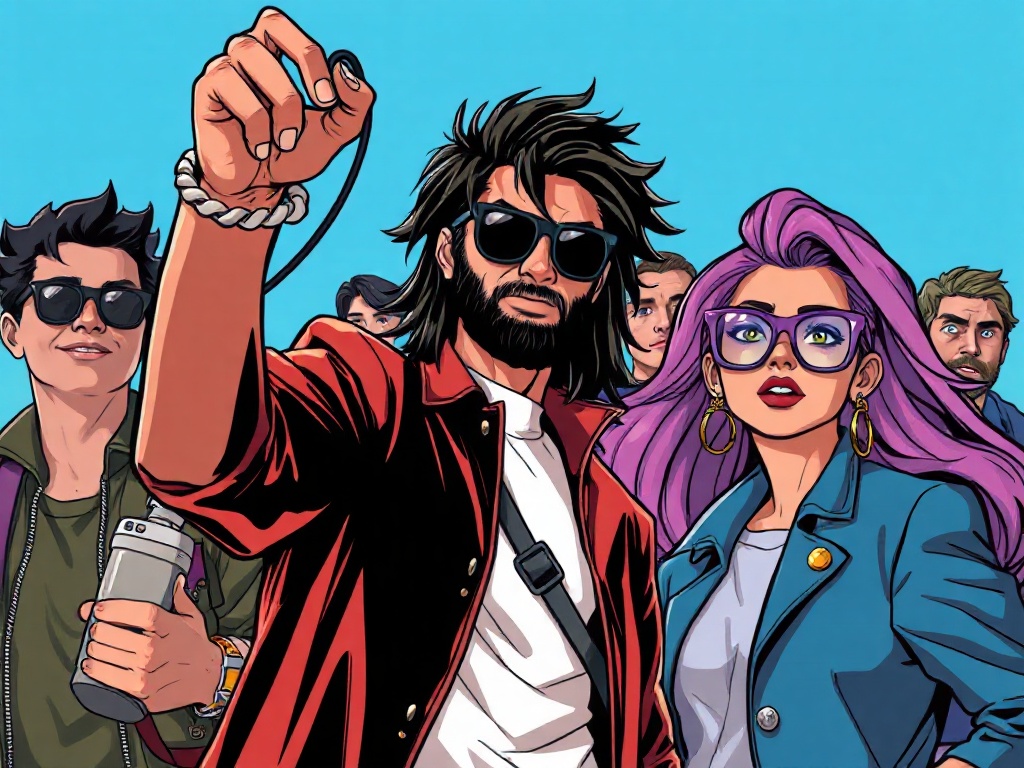
Expect studios to refine their approach, balancing guaranteed hits with riskier, original storytelling that sustains audience interest.
Nostalgia in pop culture is here to stay, but its future hinges on thoughtful execution. When creators use familiar material as a launching pad for fresh ideas, revivals can become meaningful additions to the cultural landscape rather than mere retreads of the past.