Nostalgia as Pop Culture’s Power Engine: Why Reboots, Retro Aesthetics, and Fan Participation Keep Shaping Media
Nostalgia isn’t just fond remembrance — it’s a strategic force reshaping how music, film, TV, fashion, and social media connect with audiences. Across platforms, creators and brands tap familiar touchstones to trigger emotional resonance, then layer fresh perspectives to keep stories and styles feeling relevant.
That blend of comfort and novelty drives many of the biggest cultural conversations today.
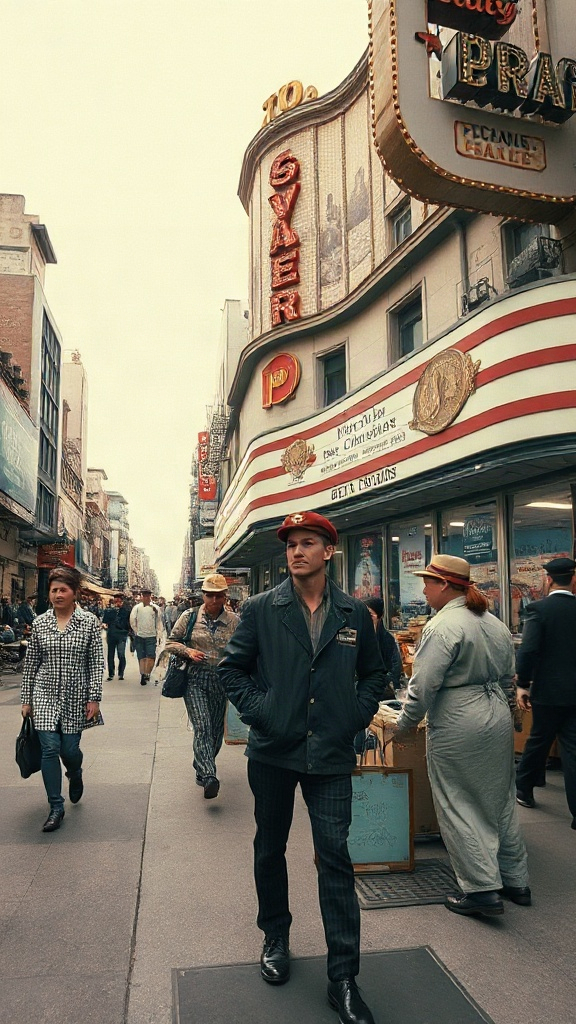
Why nostalgia works now
– Emotional shortcut: Recognizable characters, songs, or visual cues instantly evoke memory and identity, making audiences more likely to engage, share, or buy.
– Discovery loop: Younger fans discover older properties through streaming catalogs, curated playlists, and influencer content, creating multi-generational appeal.
– Platform economics: Streaming services and podcasts benefit from serialized revivals and IP-based projects because they attract subscription retention and predictable fan investment.
How nostalgia shows up across pop culture
– Reboots and reimaginings: Studios revive familiar titles but often update tone, diversity, and narrative scope to reflect contemporary values.
Successful revivals respect core elements while introducing new stakes or character perspectives.
– Retro aesthetics in fashion and design: Vintage silhouettes, color palettes, and retro logos cycle back into mainstream wardrobes and product drops—often recontextualized with modern materials or sustainable production.
– Music sampling and sonic callbacks: Producers incorporate hooks, production techniques, or instrumentation from earlier eras, pairing them with modern production to create songs that feel both nostalgic and current.
– Transmedia extensions: Comic-book universes, game franchises, and cult films expand through podcasts, animated shorts, and interactive online experiences that let fans explore corners of the story world previously unseen.
Risks and creative opportunities
Relying on nostalgia can lead to fatigue if projects offer mere replication instead of reinterpretation.
Fans quickly spot token references or “fanservice” that lacks substance. The strongest projects use nostalgia as a springboard for new themes—exploring underrepresented characters, modern social issues, or inventive storytelling formats.
Creators have opportunities to:
– Center fresh voices: Bringing diverse creators into legacy franchises can revitalize tone and broaden appeal without betraying the property’s spirit.
– Lean into interactivity: Social campaigns, augmented-reality drops, and collectible releases turn passive viewers into active participants.
– Balance homage with innovation: A clear, bold creative vision that acknowledges the past while pushing boundaries wins critical and fan approval.
What fans are doing differently
Fan communities now play an active role in shaping media. Social platforms amplify reactions, campaigns, and creative responses—sometimes influencing casting decisions, release strategies, or even storylines. This participatory culture rewards creators who engage transparently and rewardingly with audiences.
Brand and marketer takeaways
– Use nostalgia strategically: Target emotional triggers that align with brand identity rather than relying on trend-chasing.
– Create layered experiences: Offer collectible physical goods, exclusive digital content, and community activation to extend engagement beyond a single platform.
– Prioritize authenticity: Audiences can tell when nostalgia is manufactured. Genuine respect for the source material and thoughtful updates earn loyalty.
Nostalgia’s staying power depends on its execution. When handled thoughtfully, it becomes more than a marketing tactic—it’s a cultural bridge connecting generations, styles, and storytelling modes. By honoring what made an original beloved while daring to reimagine it for today’s audience, creators and brands keep pop culture both familiar and surprising.