Nostalgia has become one of pop culture’s most reliable engines. From streaming reboots to retro fashion cycles and soundtrack revivals, the pull of familiar stories, sounds, and styles shapes what audiences watch, wear, and share.
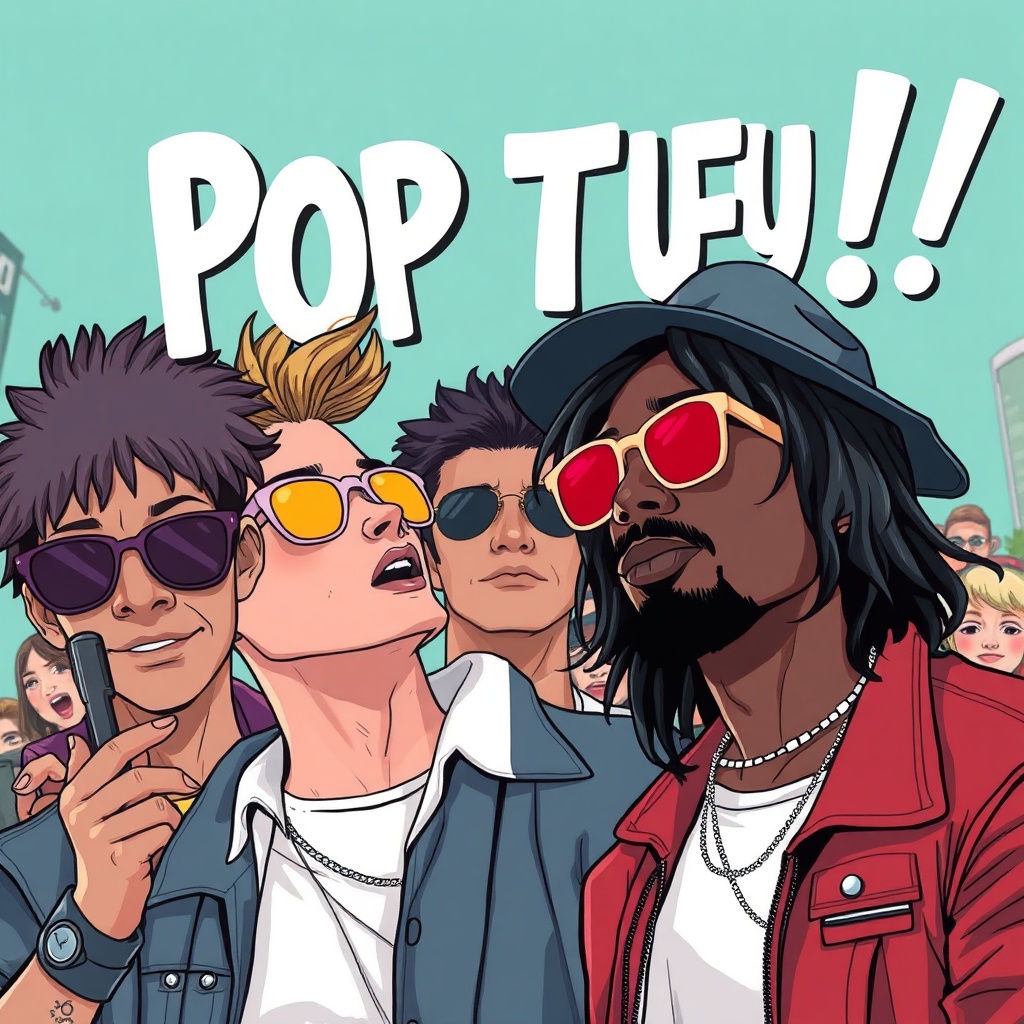
Understanding why nostalgia works — and how creators and brands use it — helps explain much of today’s entertainment landscape.
Why nostalgia resonates
Nostalgia offers emotional shortcuts. A recognizable theme song, a returning character, or a vintage visual aesthetic triggers memory and comfort, making new content feel instantly approachable. In uncertain times, audiences gravitate toward media that reconnects them with simpler or formative moments.
Social media amplifies these reactions: short clips, remixed soundtracks, and memeable scenes spread quickly, turning old properties into fresh cultural conversations.
Where it shows up
– Reboots and revivals: Legacy franchises get second lives through reimagined series, films, and limited runs. These projects attract longtime fans while serving as friendly entry points for newcomers.
– Music rediscovery: Older tracks gain new chart life after being featured in viral videos or blockbuster soundtracks. Physical formats like vinyl and cassette see renewed interest as tactile ways to connect with music.
– Fashion and design: Vintage apparel cycles back into mainstream wardrobes, often filtered through modern silhouettes and sustainable practices.
Retro typefaces, color palettes, and user-interface motifs also appear in product design and advertising.
– Gaming and tech: Classic games are remastered, and retro consoles return in miniaturized forms, tapping into both collector culture and the desire for simpler gameplay experiences.
Why creators and brands lean on it
Nostalgia reduces risk. Familiar IP comes with built-in audiences and easier marketing hooks.
For creators, blending homage with new storytelling can deepen worldbuilding and reward attentive fans. For brands, nostalgic campaigns create emotional loyalty and social shareability without reinventing the wheel.
Pitfalls to avoid
Overreliance on nostalgia can backfire. Projects that simply rehash the past without offering meaningful updates face criticism for creative laziness.
Fan expectations are high — honoring original spirit while expanding themes authentically is essential. There’s also the danger of excluding new audiences if a revival depends too heavily on insider knowledge.
How to use nostalgia well
– Add value: Use nostalgia as a gateway, not the whole experience. Introduce new perspectives, characters, or themes that the original didn’t explore.
– Be authentic: Surface-level callbacks feel transactional. Deep respect for source material, combined with genuine storytelling, resonates more.
– Invite participation: Encourage fan creativity through shareable moments — audio clips, visual motifs, or challenges that translate well on social platforms.
– Consider accessibility: Make legacy content approachable for newcomers with thoughtful recaps or integrated exposition.
What fans can do
If you love a revival, engage thoughtfully. Share what it means to you, create context for new viewers, and support official releases to help sustain the content ecosystem. If a reboot misses the mark, critique the choices rather than dismissing interest in the original — constructive conversation helps creators improve.
Nostalgia isn’t going away. It’s a powerful cultural tool when used to expand stories and connect communities rather than merely replicate the past. Whether you’re a creator, marketer, or fan, the most satisfying revivals are those that respect memory while daring to move forward. What nostalgic comeback has felt most successful to you — and why?