Why Nostalgia Rules Pop Culture: Reboots, Retro Fashion, and the Power of Community
From streaming reboots to thrift-store finds and viral audio clips, nostalgia has become a dominant force in pop culture. It shapes what audiences stream, what designers revive, and how communities form online.
Understanding why nostalgia resonates and how it shows up can help creators, brands, and fans navigate trends that feel both familiar and fresh.
Why nostalgia connects
– Emotional comfort: Familiar stories, sounds, and styles tap into positive memories and reduce uncertainty. That comfort is especially appealing when cultural or economic climates feel unsettled.
– Identity and belonging: Shared nostalgia creates instant common ground.
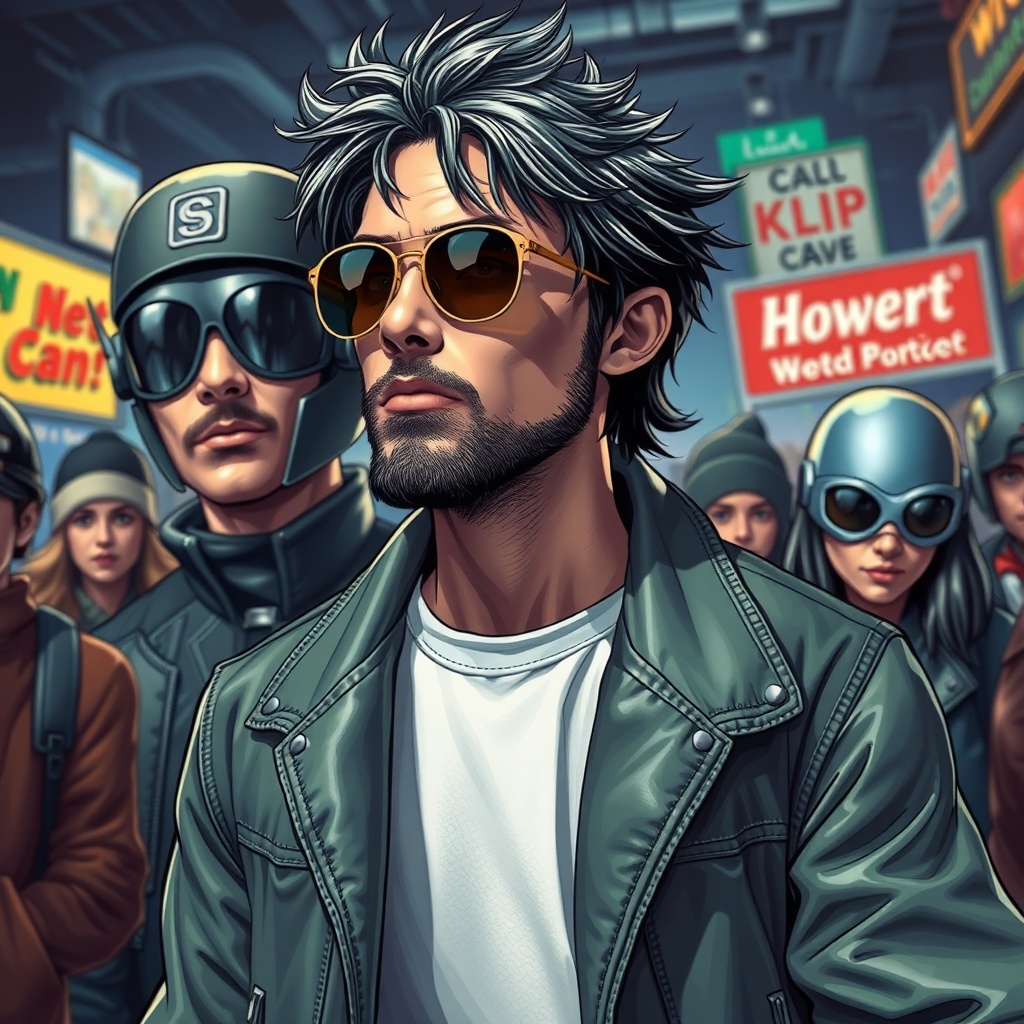
Fan communities rally around callbacks, Easter eggs, and communal rituals, turning passive viewers into active participants.
– Algorithmic momentum: Social platforms amplify nostalgic beats and clips that trigger recognition. Short-form content can repurpose a few seconds of theme music or a fashion look into a viral trend overnight.
– Low-risk economic appeal: For studios and brands, legacy properties and retro lines reduce launch risk by tapping an existing audience while still attracting curiosity from new viewers.
How nostalgia shows up today
– Reboots and revivals: Old franchises get new life as streaming series, limited events, or reimagined films. These projects often balance faithful nods with fresh perspectives to capture loyal fans and first-time viewers.
– Retro fashion and resale: Vintage silhouettes, logo-driven pieces, and upcycled wardrobes are mainstream, fueled by resale marketplaces and content creators who turn thrift hauls into style statements.
– Music and sound: Producers mine past eras for samples and textures, while vinyl and physical releases remain prized for their tactile nostalgia. Short audio clips find second lives on social platforms, turning obscure tracks into trending sounds.
– Fan-driven storytelling: Fan theories, patchwork fan edits, and interactive timelines turn spectators into collaborators.
Creators who listen back to these communities can shape storytelling that feels collective rather than top-down.
Tips for creators and brands using nostalgia well
– Respect the source material: Authenticity matters. Audiences notice if a revival or retro line is purely transactional rather than crafted with care.
– Add something new: Nostalgia works best when it’s an entry point, not the whole meal.
Offer fresh themes, diverse perspectives, or modern storytelling techniques to avoid mere replication.
– Use Easter eggs thoughtfully: Small callbacks reward devoted fans and spark shareable moments, but they should serve the story or product rather than distract from it.
– Activate communities: Harness user-generated content, challenges, and fan events to keep momentum.
Give fans tools to create and celebrate the nostalgia around your IP or brand.
– Balance visibility with mystery: Teasers and curated reveals build anticipation without exhausting the payoff. Let nostalgia be a hook, not the final destination.
Nostalgia will continue to steer many cultural conversations because it delivers both comfort and connection. When creators and brands combine genuine reverence with inventive updates, nostalgia becomes more than a rewind — it becomes a bridge between the past audiences loved and the new experiences they’re eager to embrace.